Rani Kamlapati Railway Station Redevelopment

I had developed an interest in studying railway station redevelopment in 2014, when I was still with the Indian Railways. During a training program I dreamed about redevelopment of Lucknow Station (I used to live in Lucknow then) and also wrote out a report. More details can be found here https://blog.swapnilgarg.in/2014/12/05/world-class-railway-stations-through-ppp-a-case-for-lucknow/

Today, the case on redevelopment of Rani Kamlapati Station came online, published by Vikalpa: A journal of decision makers (IIM Ahmedabad’s Journal). The journal is open access and the online version of the article can be assessed HERE.

Privatization? Corporatization? Indian Railways production units.

Was featured during a recent web discussion on the above topic in “Straight drive with Sudhansu Mani”. The discussion is hosted on YouTube and the transcript can be read at http://anindecisiveindian.blogspot.com/ (Search for privatization).

Some Key Points

  1. Innumerable debates exist on what is good or what is bad with governments ways of working. Need to reorient the debate on what more can be done by the government and its arms.
    Stop debating glass half full or half empty. Increase water in the glass.
  2. The world (even other organizations have moved forward in India), but nothing is moving in railways.
    Railways management is full of the managers seeking “administrative control” and “engineers determinism”. Need to give way to the “managers pragmatism.”.
  3. What model to follow? What is the ideal way for corporatization? We do not have a model (ideal model is far fetched) as we have not experimented enough and failed enough to.
    Let a thousand flowers bloom and move fast.

The above come from what I teach in class. One of my courses is Strategic Alliances, which have 70% chance of failure. Do private firms’ stop getting into alliances? No . They try different things next time with more hope.

Angry, Disillusioned and Losing hope!

(AN OPEN LETTER TO THE HON’BLE MINISTER OF RAILWAYS)

Dear Shri Piyush Goyal,

It pains me to pen down this letter, which celebrates the first nail in your new coffin.

Did we hear of corruption scandals when,

  • Delhi Metro gets delivered – stretch after stretch,
  • Sardar Patel Statue was commissioned
  • Delhi Meerut expressway was commissioned
  • Ujjwala Scheme, Skill India, Ayushman, the list goes on and on……..

NO, but when Train 18 is made, we have the news “Train 18 under vigilance scanner”[1]. No amount of course correction by you will now make similar headlines! The damage has been done. The original team who made it has been systematically dispersed, as if the railway system always knew what to do! It never knew and still does not. There is no road map for scaling it up! I hear of a plan on paper, but there is nothing to back up the plan.

As an insider, I vouch that the problem with railway management is not financial corruption, but moral corruption, which the public oversight mechanisms (vigilance, audit, RTI, courts, CBI) have no way of dealing with.

The railway bureaucracy has taken down many well-intentioned Ministers (i.e., Lal Bahadur Shastri, Nitish, Dinesh Trivedi, Suresh Prabhu), and you are next. The only ones who left a mark were Lalu Prasad or Mamta, who never relied on the railway bureaucracy. The ones with whom you deal with today were the cream which was skinned off well before the Civil Services established its sample space for selection. What they are capable of is well recorded in ‘Yes Minister’, and this need not be repeated.

Coming back to Train 18. This is just a Rs 100 crore project. How much corruption could it involve… 50%, 20%, 10%, 0%! Let us calculate the figures and quantify the loss to the national exchequer! On the other hand, what did the phenomenon of Train 18 achieve, or was capable of achieving! Please take your pick and do a cost-benefit analysis (financial or social).  I am sure we would not be able to come up with different answers, no matter how hard one tries. With the files now in the possession of vigilance, I wonder how many excuses have been created once again for the railway bureaucracy not to deliver.

Why am I concerned! At least 200-300 senior public officials pass through my classes every year for discussions on Public Procurement and Contract Management. And they have some very similar question – Why are Railways not showing signs of progress? When will we have a High-Speed Train? When will it comparable to Chinese railways? When will we have Airport like Railway stations?  What did Lalu do differently that there was a turnaround? I kept telling them to work hard working, capable, and honest individuals, who should manage exercising discretion (you are trusted servant of the government) and take fast decisions (which firmly capture your view). An honest decision never got punished, and the like. But after today, I would have to moderate my pitch and argue — better safe than sorry; a ship in the harbor never sank; look honest whether you are honest or not; “Chalta Hai” and the like.

The thought keeps coming back to me – “Albert Pinto ko gussa kyon ata hai! Nahi ana Chaiya!” I see Kejriwal thinking being celebrated, rather than Modi’s or Gadhkari’s.

With kind regards,

Swapnil Garg, Ex Railway Officer

A rat who abandoned the sinking Ship (before it was too late)

Associate Professor (Strategic Management)

IIM, Indore

[1] https://timesofindia.indiatimes.com/city/chennai/train-18-under-vigilance-scanner-files-taken-away/articleshow/69591998.cms

World class railway stations through PPP.. A case for Lucknow

I am on a 5 week project assignment. I choose the topic of day dreaming for a world class railway station at lucknow. After having wandered about and talked to a lot of people on the subject, I have written a detailed report on the same titled “ Rethinking PPPs : Building a world class railway station. A case for Lucknow Charbagh station“.

What I propose is

a) Need for us to rethink PPPs on a fundamental level

b) World Class stations through PPP route are possible, but station use charge would be required. Even a nominal charge of Rs 10/- for unreserved passengers  (10% of average ticket cost) and Rs 20/- for reserved passengers (4% of average ticket cost) CAN MAKE IT POSSIBLE.

The report is attached below. The executive summary is as below:

EXECUTIVE SUMMARY

There exists a ubiquitous need for the railways stations in India to change and they need to become more user friendly while leveraging the benefits of technology. Numerous proposals and reports exist for carrying out this much required up-gradation. Lack of funds often gets cited as the most important reason for these proposals not taking off, and ‘The PPP route’ is often suggested as THE solution. However, the poor performance of PPPs in the country does not bring confidence in this choice.

In this study, I reexamine the PPP concept from a definitional perspective, and question the path taken and the assumptions made in the nations PPP journey. I argue that whereas the primary PPP concept has only a few mandatory conditions, the subsequent understanding has converted them into a massive bundle of activities, governed by set of long term rigid contracts. This results in PPP based projects taking up a monolithic form for delivery of a monopolistic public service, and this entity getting transferred into private hands. Further, such entities are left to fend for themselves despite the imposed structural limitations, with little emphasis on ways to manage and resolve them. This path is identified as the source of many of the PPP problems in the country.

Departing from this route it is proposed that the complexity and uncertainty of PPP projects is required to be managed by converting them into numerous small modules, each of which independently and together form a flexible and adaptive entity. This is a standard route by which managers address complexity in organizations or alliances. While on one hand this breaks the large project into modules based upon size/scope dimensions to reduce their complexity, it also creates a market of PPPs by creating distinctive modules along the time dimension. A market of PPP, where PPP projects can get freely transacted, introduces the much required control system on PPP performance, based on market mechanisms. This approach is next shown to be consistent with the basic elements of the PPP concept and is also in line with the original thoughts which saw benefits of PPPs manifesting when a market of PPPs emerges.

The unique conceptual framework proposed is next interpreted in respect to conversion of a station into world class railway station. The context chosen is to convert Lucknow/ Northern Railway station into a world class facility. It is shown that by decomposing a large project of Rs 670 crore into small projects of Rs 200 crore or less, we can find viable PPP delivery modes for them.  While the road infrastructure needs to be paid for by state governments and railways as a part of ROB/RUB access, the new station building can pay for itself as a commercial complex, the passenger amenities (waiting areas can be paid for by user charges) and parking lots can be worked on an independent PPP basis. Contrary to routine PPP proposals, cross subsidization here is frowned upon- you get what you pay for, such that responsibility and accountability gets properly matched. Parking a car needs to pay for itself, usage of station facilities is to paid for by station access fees and platform tickets, and road access is to paid for by users of the prime commercial property.

The justification for user charges follows from the analysis of users of railways stations.  Preliminary figures show that the station is routinely handling 1-1.5 lac people per day, but needs to be upgraded to handle 2 lac passengers per day to cater to the peak loads. A railway passenger with reserved ticket was found to pay an average ticket price of Rs 500/-for his journey. Similarly, an unreserved passenger is proposing to pay Rs 100/- (on average) for his journey. Like airports, a station usage fees of Rs 20/- for reserved classes and Rs 10/- for unreserved classes, yields an additional revenue of Rs 70 cr per year, and is more than enough for what is required to provide world class facilities to our station users.

Besides proposing a conceptual departure in the PPP concept, the report also fulfills three other objectives. Firstly, it provides an updated inception report for making Lucknow station world class. This is quite in contrast to the original inception report which was written over 5 years back and is very sketchy in nature. Secondly, the report serves as a one stop place for an exhaustive reference list in regards to world class stations, as understood in Indian railways. And lastly, the report makes a broad and first cut business case for Lucknow station upgradation, opening up a platform for initiating a dialogue on how Lucknow station can be made world class and what all would be required to carry out an exercise.

Attachments:

Final Project Report

Inception Reports for Railway Stations of Lucknow (Railway Document)

Ideas for railway management –3 …… recasting the accounts to enhance accountability

The railway accounting has often been criticized and a need for shifting it to company accounting and double entry accounting has been debated upon. However, I feel that nothing has been done so far as no business case has been built for it… So here is a business case….

We need some kind of a profit center accounting… everyone should be aware of what things cost and it need be ensured that there are no hidden costs of any kind (other then legacy costs like costs of passes, pensions… which also be need to be converted to current contributions for future liabilities and charged to units)

It is proposed that we introduce a new layer over and above the current system.. the current system is only a classification of expenditure, and somehow overtime the different abstracts have got allocated to different branches, and each of them lost connection with their deliverable….

The current classification system is summarized in the table below:

CLASSIFICATION OF REVENUE EXPENDITURE APP. I

Sr.No. Group   No Demand  
Name of demand  
I. Policy Formulation and Services Common to all Railways 1. (A) Railway Board
2. Miscellaneous Expenditure (General)
II. General Superintendence and Services on Railways 3. General Superintendence and Services on Railways.
III. Repairs and Maintenance 4.  (B) Repairs and Maintenance of Permanent Way and Works.
5.  (C) Repairs and Maintenance of Motive Power.
6. (D) Repairs and Maintenance of Carriages and Wagons.
7. (E) Repairs and Maintenance of plant and Equipment
IV. Operation 8.  (F) Operating Expenses-Rolling Stock and Equipment.
9. (G) Operating Expenses-Traffic.
10.  (H) Operating Expenses-Fuel.
V. Staff Welfare, Retirement Benefits and Miscellaneous 11.  (J) Staff Welfare and Amenities.
12. (K) Miscellaneous Working Expenses.
13.  (L) Provident Fund, Pension and other Retirement Benefits.
VI. Railway Funds and payment to General Revenues. 14. (M) Appropriation to Funds.
15. (O) Dividend to General Revenues, Repayment of lones taken from General Revenues and Amortization of over Capitalisation.

And of course demand 16 — which is for new asset acquisition and for new works.

The problem with this system being sacrosanct is

a) It breeds departmental-ism as each grant gets managed by one department

b) With time a total disconnect with the real world happens, as the linkage between deliverable and their costs gets lost.

c) With no changes being possible at working level, their are large pockets of inefficiency as budget allotments get politically motivated rather than being driven by deliverable.

What steps need to be taken……

i) Computerization of this base level, much exists that on the fly statements are required.,

ii) Recasting over and above this layer of the different units

iii) Designate profit centers and make profit center incharges

iv) Remove all limitations on individual profit center incharges in re-allocation of funds within their own profit center head.

v) Parliament should only make two approvals — new assets and total of expenses…. with railway administration being given a 5 year complete leway to move funds around as and where felt, till some order is obtained in the railway working.

What could be these profit centers be? Some examples could lie in……

a) All “A” and “B” class stations

b) All workshops and production units

c) Track stretched between junctions – (Pway, S&T, Electrical in one combined form)

d) Profit centers for operating and commercial to be at railway level only.. measurement only in terms of throughput and loading for the two departments individually.

e) A system of transfer pricing of assets maintenance schedules

Any such rework of the system is going to add managerial information costs(it has to be acceptable and can give much larger returns) over those above incurred, but the IT technology can help us in ensuring that

a) These additional costs are minimal

b) Need to be fine tuned over time and also changed and continuously adapted over time to address issues raised and the addressed as gaps emerge.
Unsolicited advice to MODI for Varanasi

MODI wants to do something for Varanasi….. knowing varanasi (having been a part of its railway administration twice and having lived there for 2 years) much is not possible unless railways pitches in…. some unsolicited suggestions

1. Varanasi Cantt station be transferred to NER and under the DRM of Varanasi who sits in Varanasi Today it is controlled by Lucknow division of NR (300 km away).

  • Station and its staff to be under NER and DRM Varanasi on 31st March 2015. Modalities and all transfers to be made between NR and NER by then. It is possible… only the will is required.

  • This is the demand of every small or big politician, press, and any person with sense in Varanasi.

2. Varanasi Cantt station is land locked, with the city on one side and army training center on the other.

  • The army facility is a Gorkha training center and is not a strategic security facility.

  • 500 meters or more land around the station be given to railway in exchange of land elsewhere. POSSIBLE by MODI.

  • Date of transfer 31st March 2015.

    3. Varanasi cantt station has a yard remodeling plan approved by NR, but with no fund allocations. The plan has been made in a typical ManMonhan singh fashion, such that no one gets disturbed and everyone accommodated at a cost Rs 200 cr. This plan which includes layout changes, new platforms, new coaching complex, new running room, NEEDs a fresh and zero base evaluation.

  • New plan to be ready in 6 months by a professional agency. Tender in 6 months.

  • Work to start 31st March 2015 under NER.

    4. Housing colony and railway infrastructure at Varanasi is in pits, and the complete colonies etc need to be raged to the ground and rebuilt.

    If required I can also furnish names of officers who can all this done.

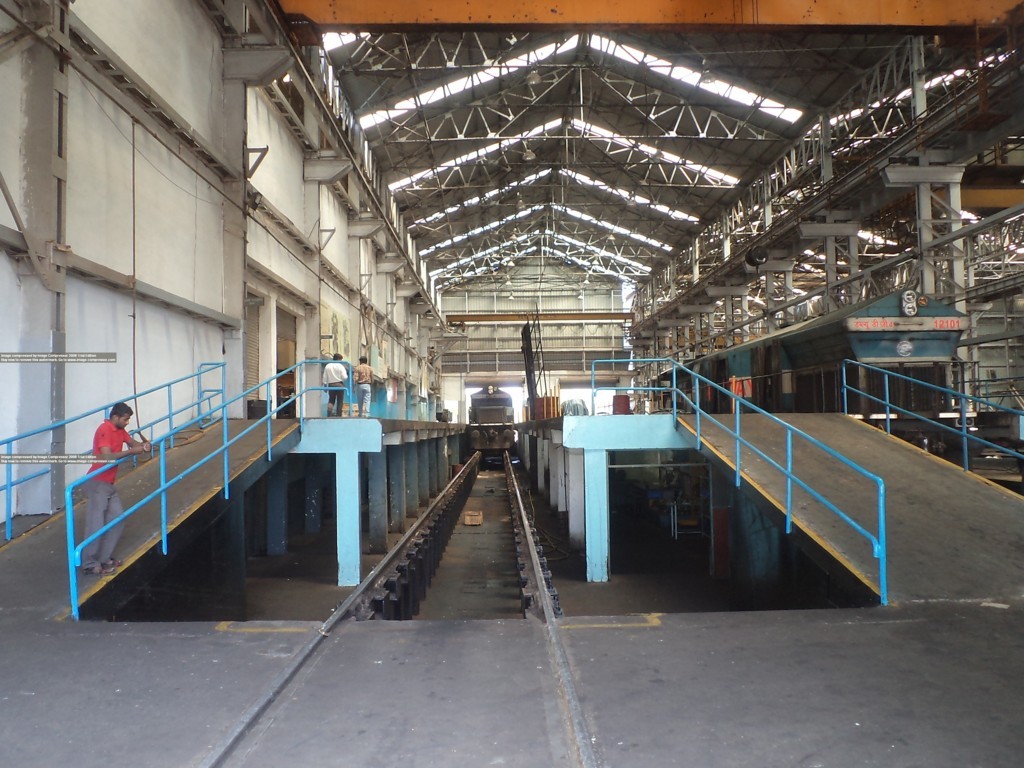
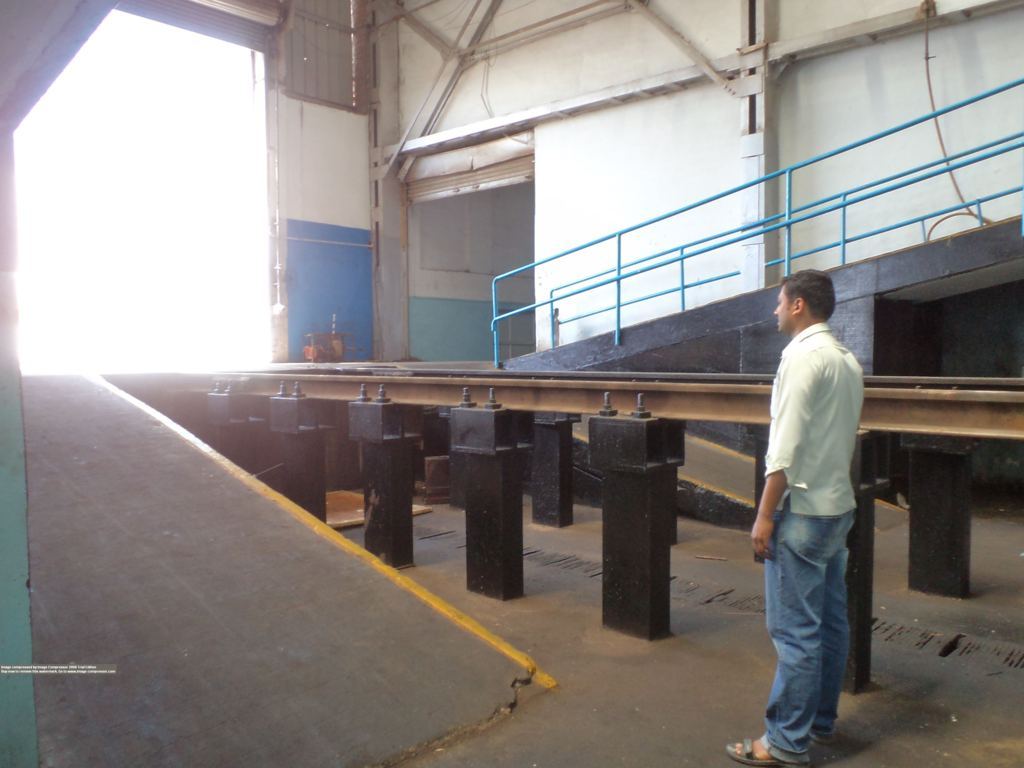
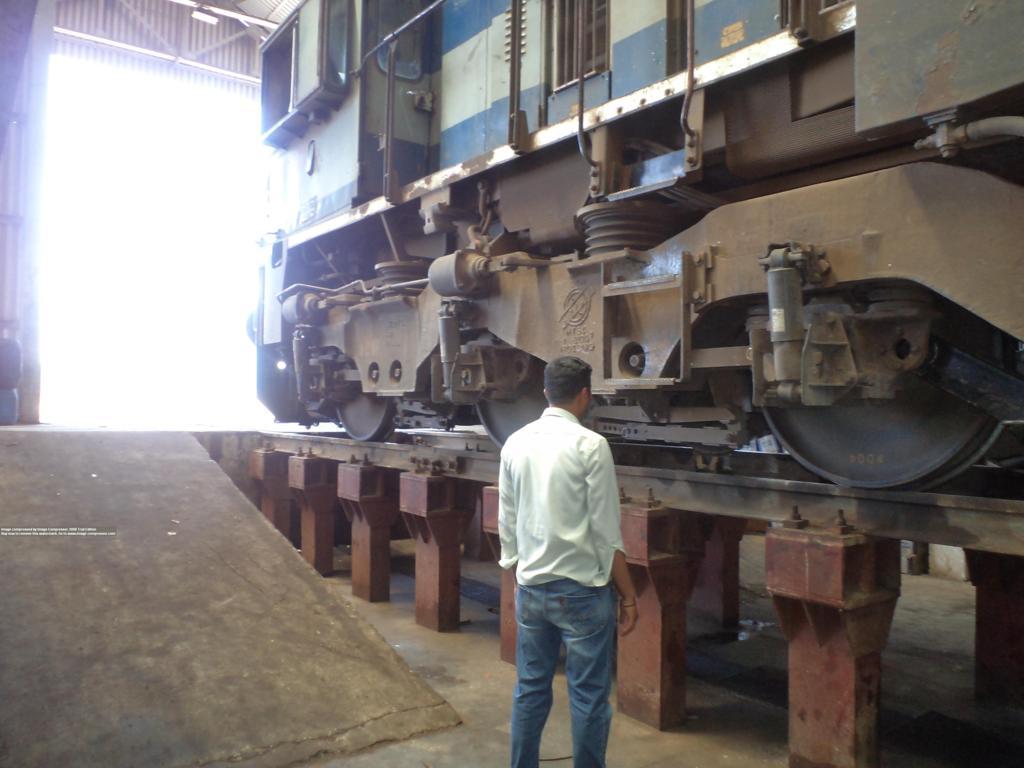
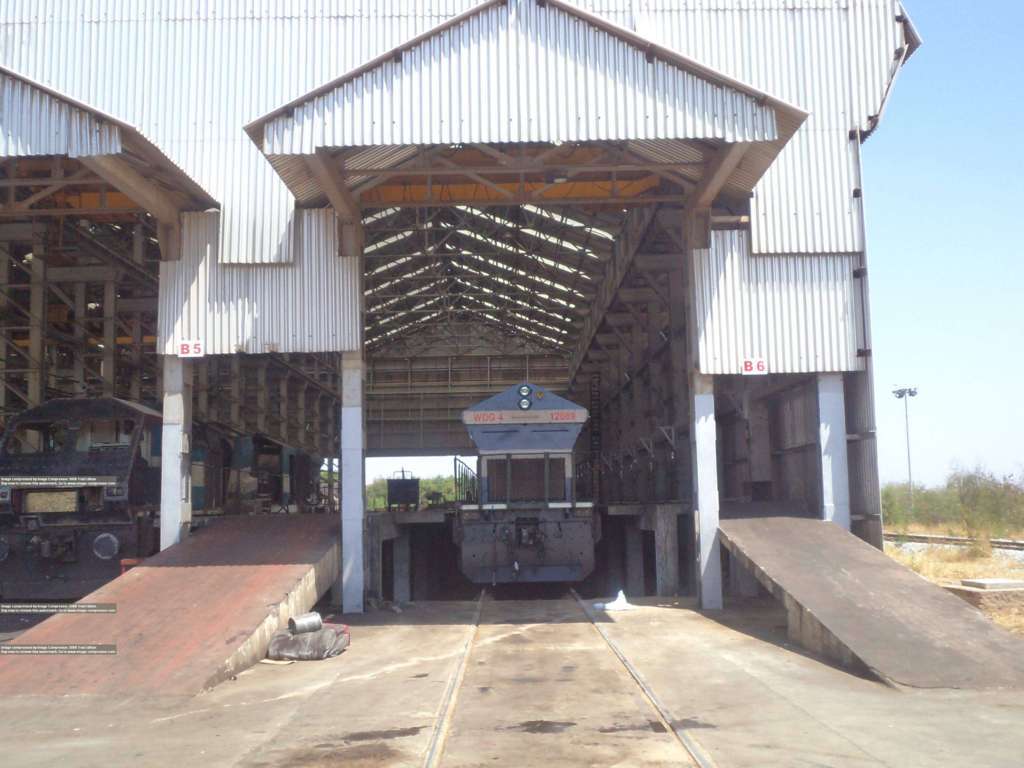
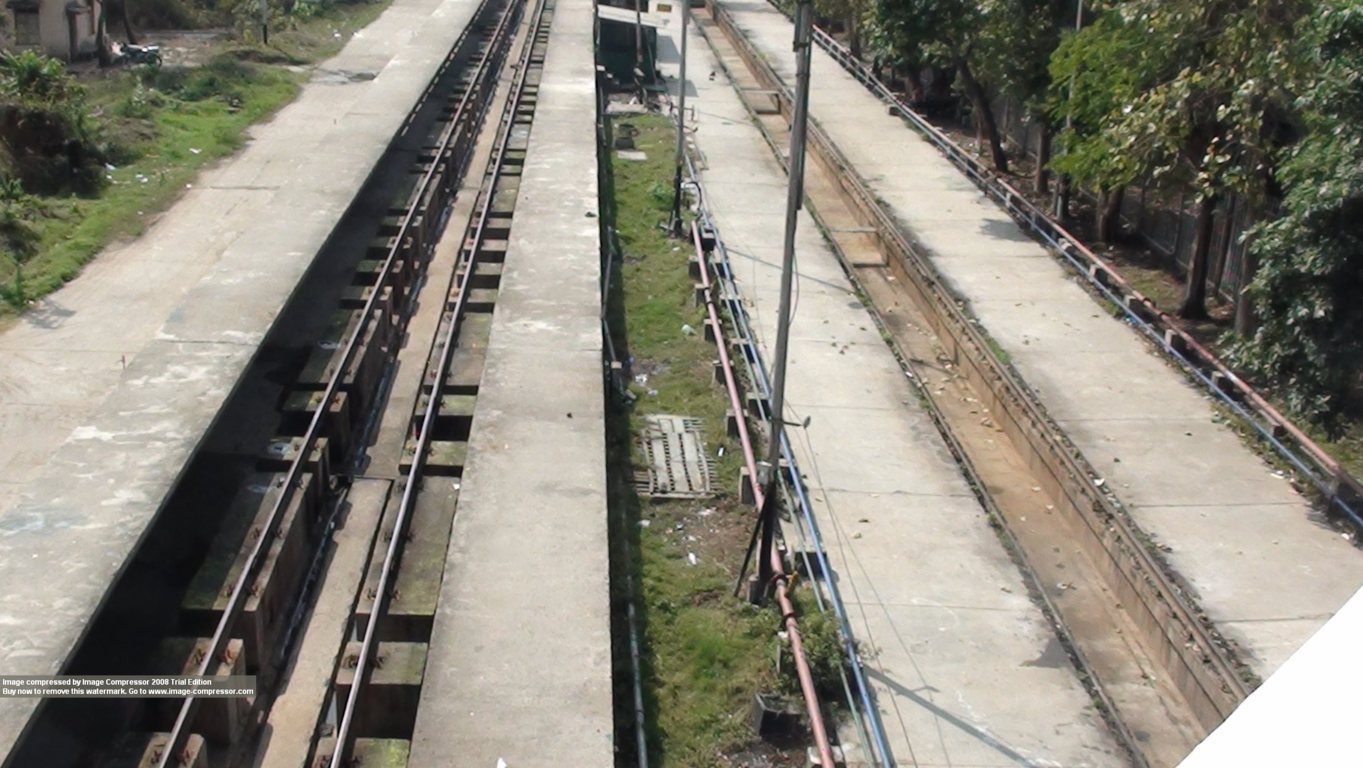
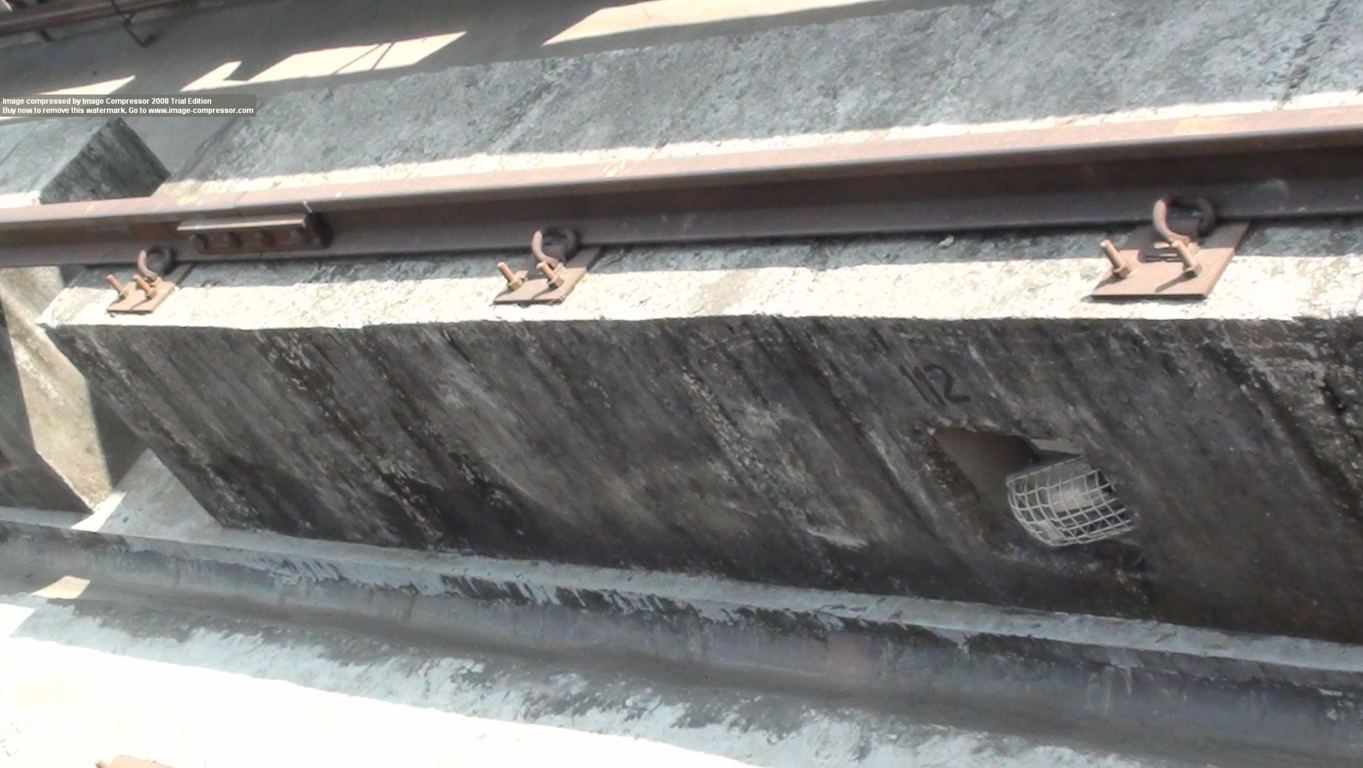
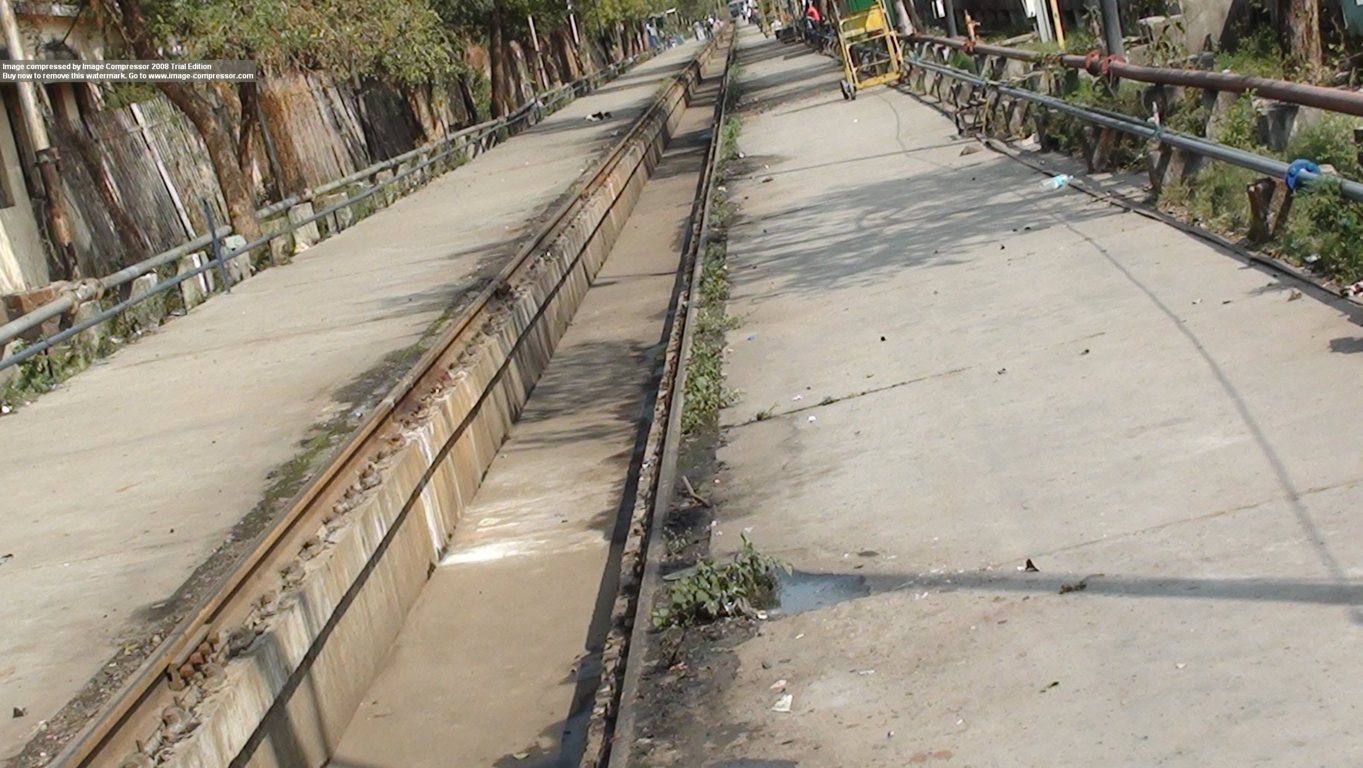
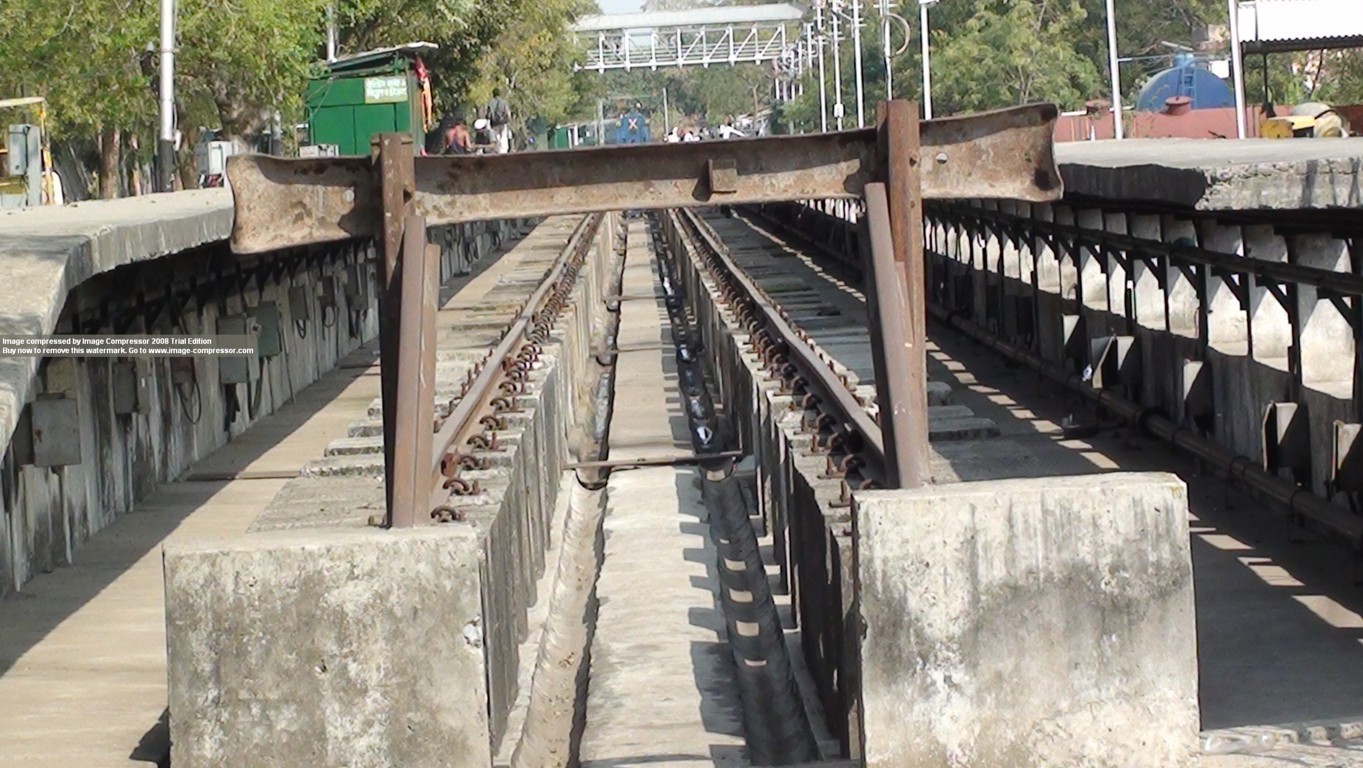
Design of pitlines for maintenance of Railway Trains

My New obsession

Background:

  • Every pitline made for maintenance of trains costs about Rs 8 crores(2012).
  • Our existing pitlines are in a shabby state, and my wild guess but 50% of them are not usable.
  • Every pitline constructed lasts 35-40 years.
  • I have 15 pitlines in the division. Each has its own unique set of problems, besides a whole common set of problems across them. 1 new one has been constructed, 2 partially constructed, 1 to start construction, and 3 under sanction.
  • I have been crying hoarse on the pitlines which are being constructed. BUT, the irony is if a construction engineer asks me what I want, I DONOT HAVE AN ANSWER.
  • There are talks of new designs and concepts… but where are the specifications.

My attempt

  • To gather information, documents, and information and have an answer for myself — WHAT KIND OF A WASHING LINE DO I WANT?
  • To share all this information at one place for use by anyone.
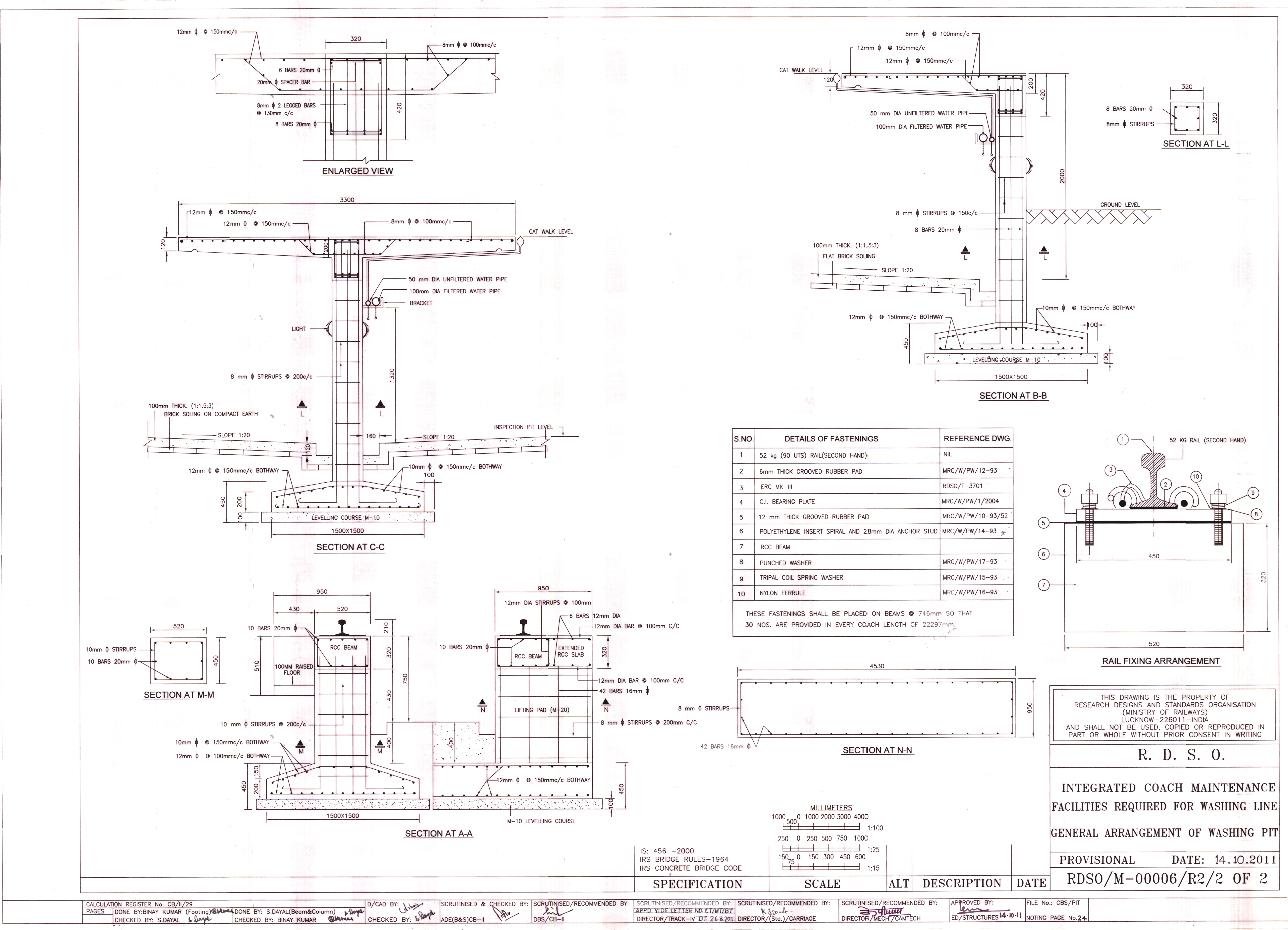
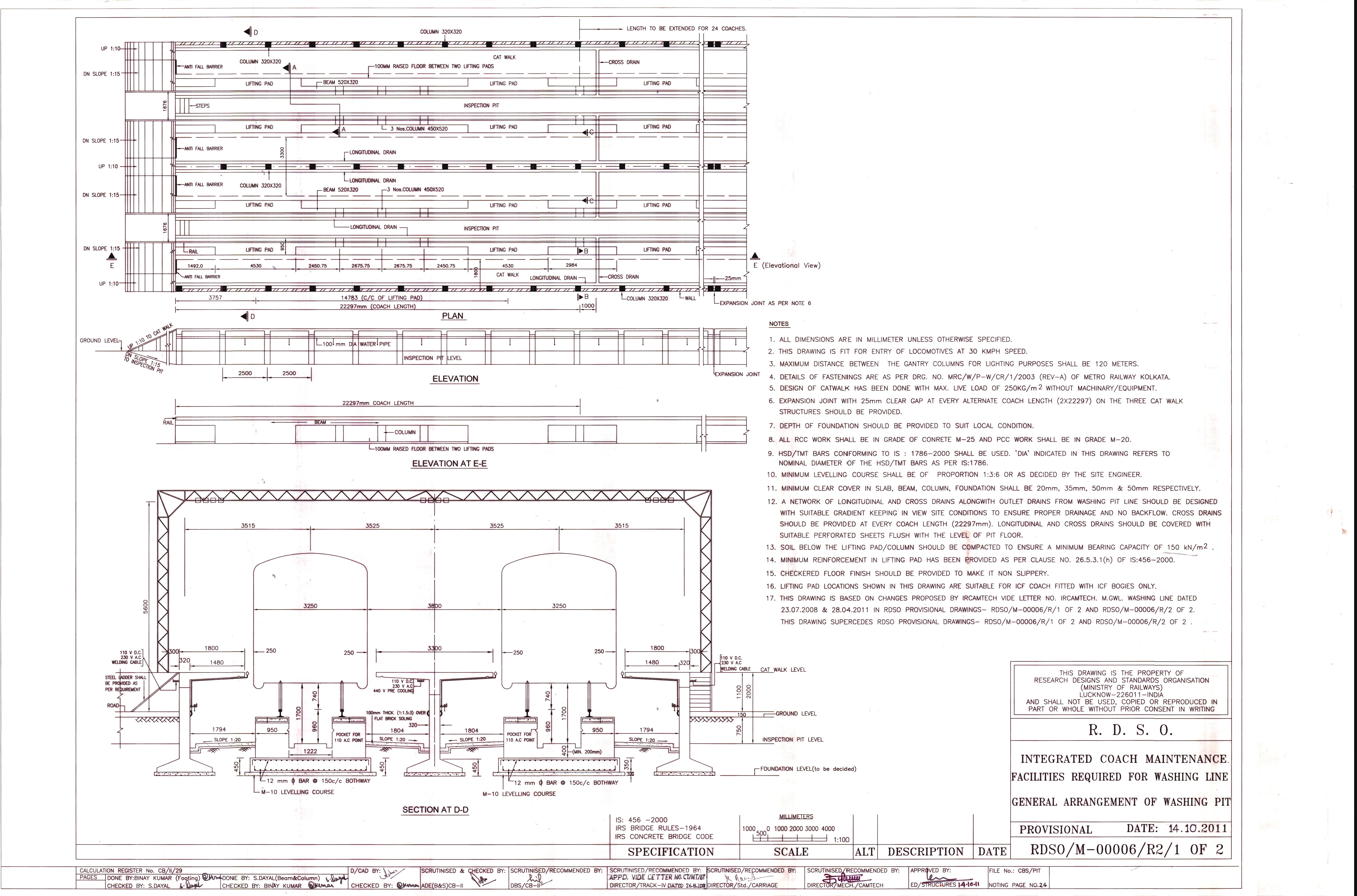
  • To start with the latest RDSO drawing is enclosed (it is however a provisional drawing)ImageImage

Next various Pitline designs exist..

EMD Loco (1) EMD Loco (2) EMD Loco (5) EMD Loco (9) EMD Loco (11) EMD Loco (20)


Bhopal Pitlines with no catwalks


BPL New Pitlines (1) BPL New Pitlines (3) BPL New Pitlines (7) BPL New Pitlines (8) BPL New Pitlines (10) BPL New Pitlines (11) BPL old pitlines (1) BPL old pitlines (5) BPL old pitlines (7) BPL old pitlines (11)


AN ALTERNATIVE

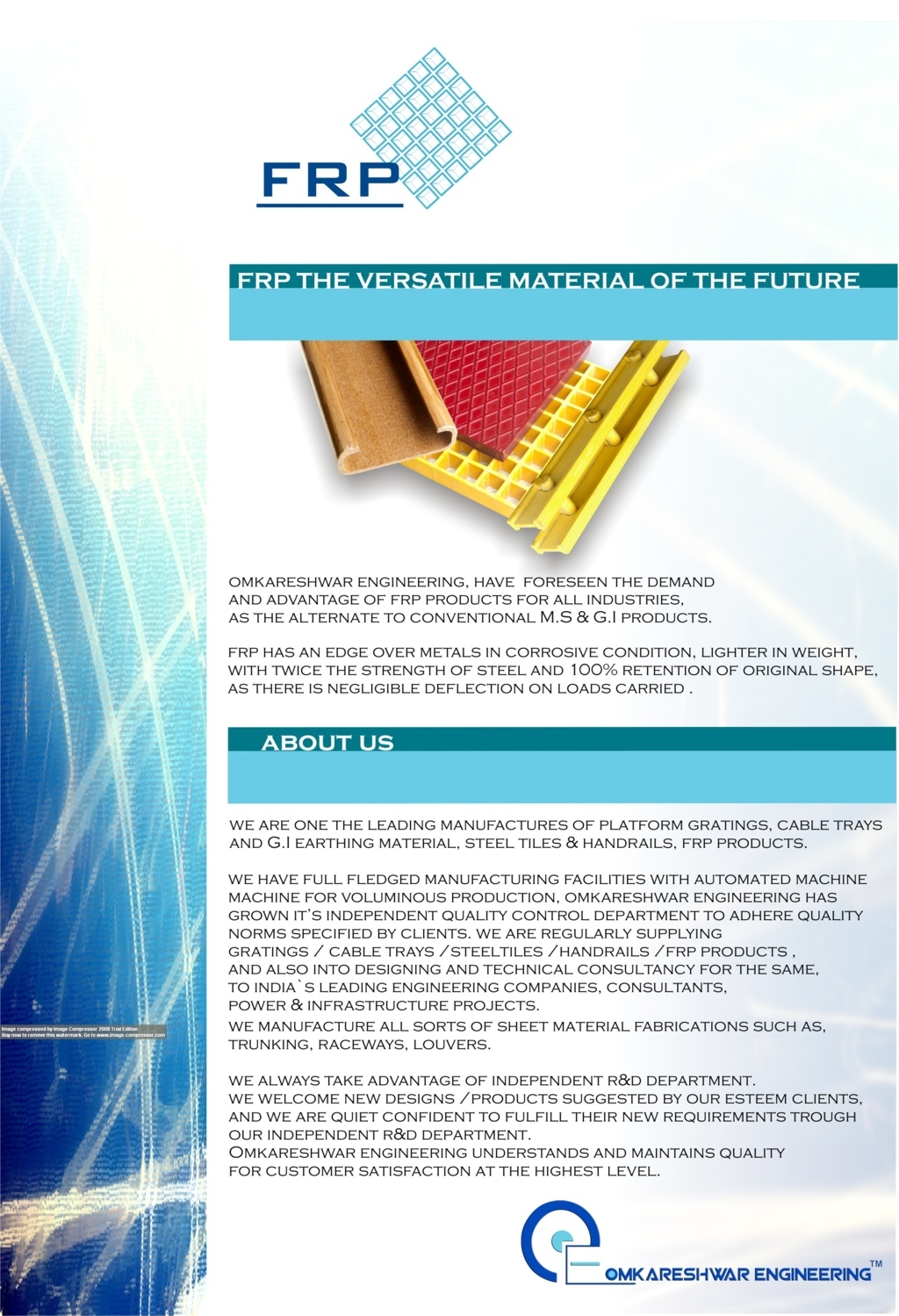
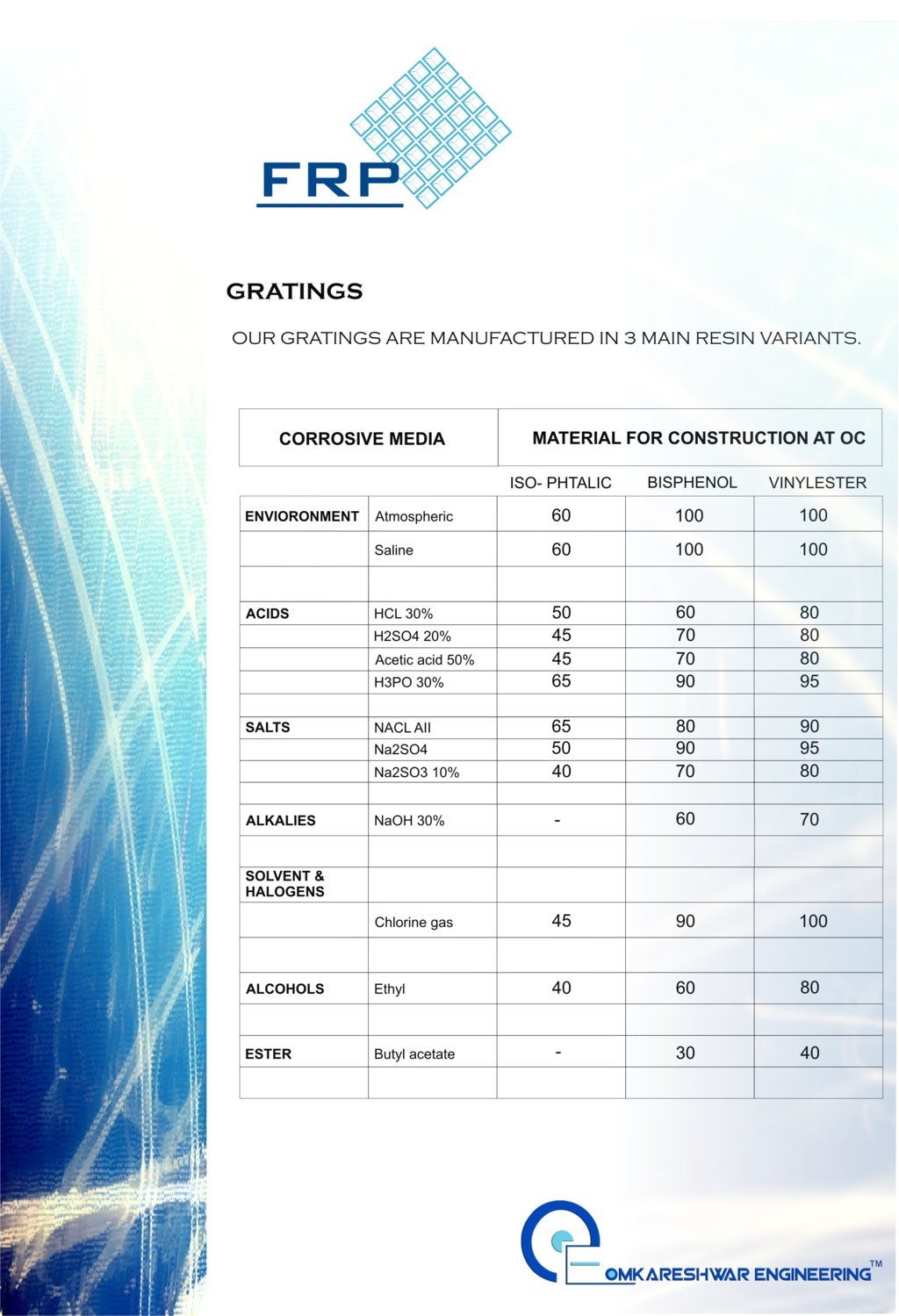
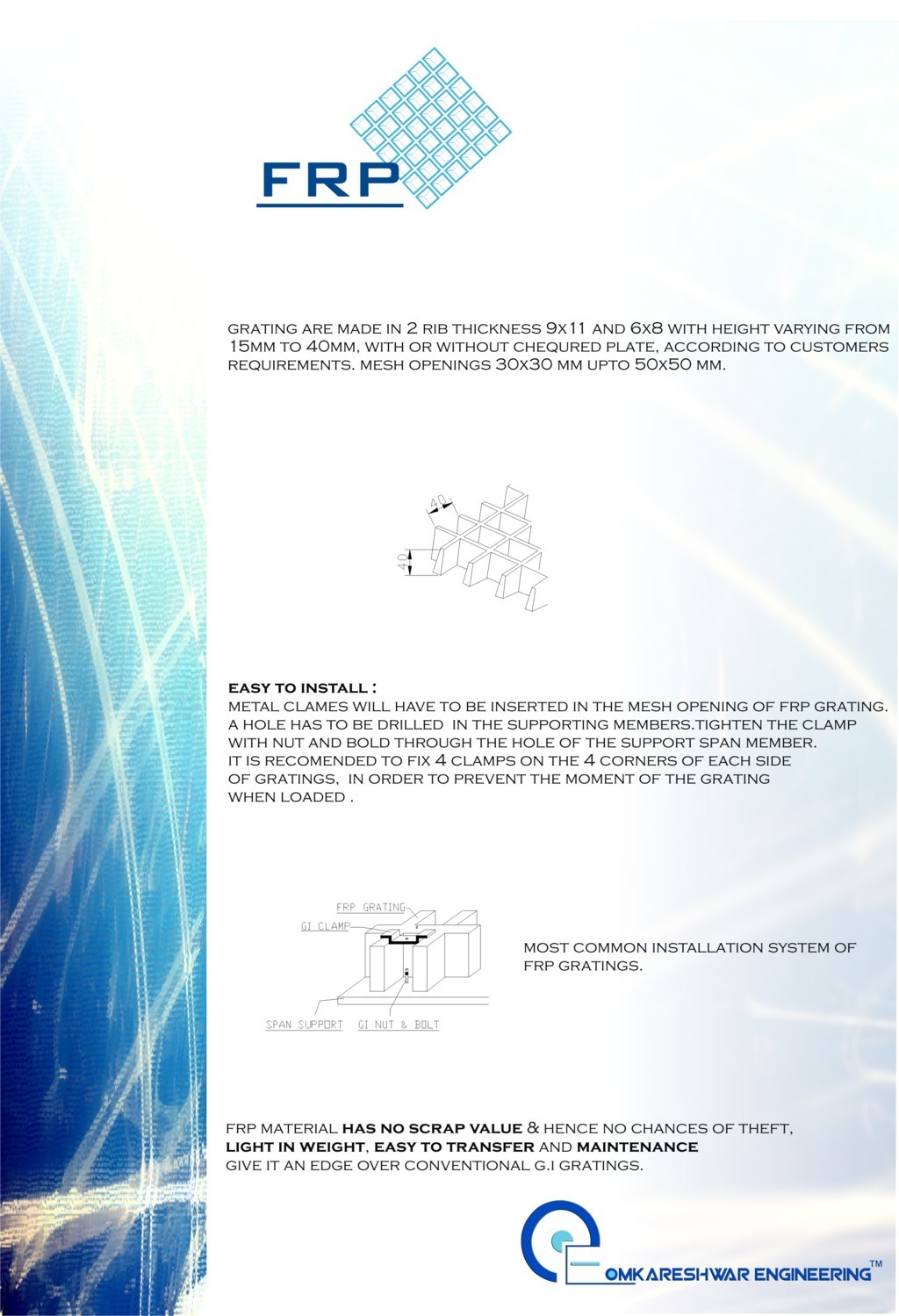
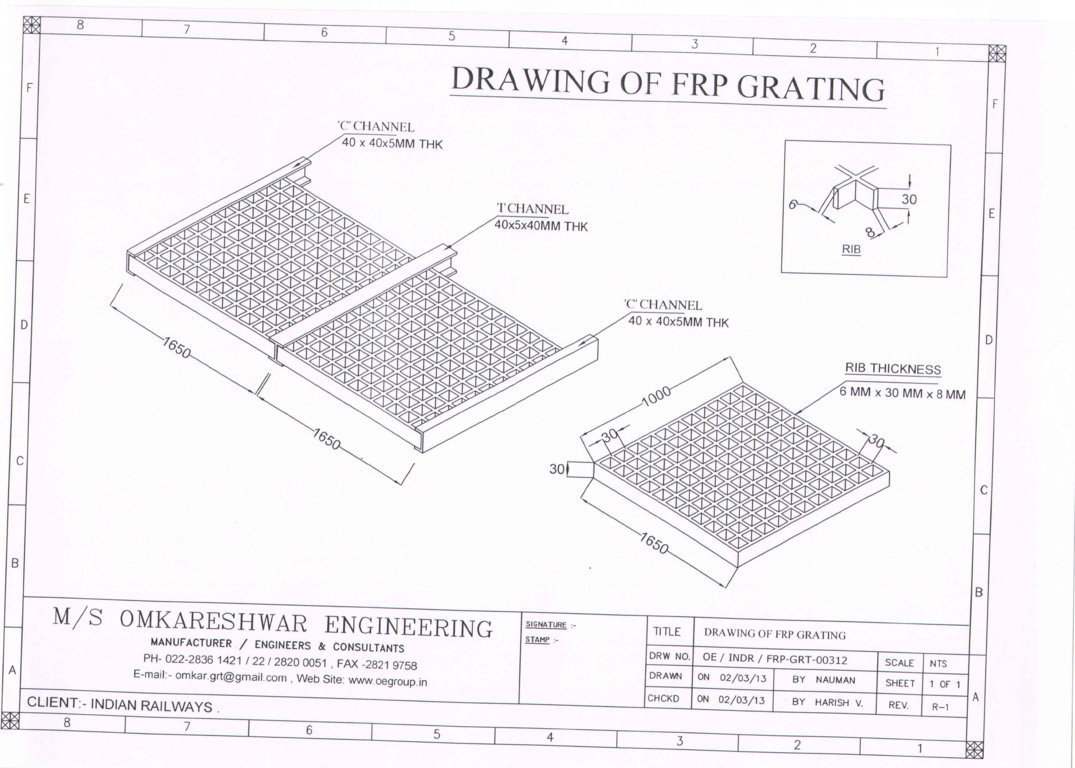
FRP NEW 2 (FILEminimizer) FRP NEW 3 (FILEminimizer) FRP NEW 4 (FILEminimizer) FRP NEW 5 (FILEminimizer) FRP NEW 6 (FILEminimizer) FRP NEW 7 (FILEminimizer) Indian Railways FRP GRT DRWG (1) (FILEminimizer)