Engineering Economics by Tara Chand

We just got published the book that my maternal Grand Father wrote and first published in 1952. The book is now in its 15th edition.

My grandfather authored this book in 1952, when he was 35 years of age and working as a civil engineer with UP Irrigation Department. The book was one of the first ones to attempt an introduction of economic principles to engineering students.

The book has a very strong legacy on the family front:

a) The original and subsequent early editions of the book were typed or hand written by my grand father in the evenings, when he returned from work. It took away a large part of my mother and her siblings father time.  My mother still remembers the publisher (Mr. Nem Chand) coming on his cycle to collect the book chapters which my grand father had finished typing out or writing in long hand the night before. We lost Shru Nem Chand in 2019.

b) As my mother shares, the royalty from the book has a huge role to play in marriage arrangements of my parents, way back in 1964.

c) My grandfather had just finished revisions for the fourteenth edition of the book, when he expired in 2002. Mr. V.K.Aggarwal, son of Shri Tara Chand took the challenge of revising the book after his death.  It took us 5 years to get the 14th edition of the book published.

d) In 2007, I contributed a chapter to the book — Liberalization, Privatization and Globalization.

e)  In the 2014, my father was working on the next edition of the book, when he expired.

f) In this edition

a) I contribute another chapter titled ” Public-private partnerships”

b) My younger brother Prof.(Dr.) Sachin Garg contributes a chapter on “Big Data and Engineering Economics”

c) My son, Ms. Shaaranya Garg (Age 13 years) designed the cover.

The book is truly a family tradition, taken forward by the family…..

The table of contents of the book is as below…

Part 1: Fundamentals of Engineering Economics
1 Definition and Development of Economic Life
2 Fundamental Concepts of Economics
3 Agents of Production
4 Forms of Business Organization
5 Money and Exchange
6 Banking
7 Rent: interest and Profit
8 Taxation and Insurance
9 Methods of Financing and Valuation
10 Estimating and Cost Accounting
11 Depreciation
12 Book Keeping and Accounts
13 Trade of India
Part 2: Fundamentals of Industrial Engineering
14 Factor of Production: Labor Wages and Trade Unions
15 Agriculture: Marketing and Cooperative Farming
16 Industrial Psychology
17 General outline of Government
18 State Controlled Planning of the Economy

(Previously India’s Five year Plans)

19 Industrial Law
20 Workman compensation
21 Indian Electricity Act : 2013
22 Controls: statistics and charts
23 Contracts and Arbitration
Part 3: Emerging Trends
24 Liberalization: Privatization and Globalization
25 Public-private Partnerships: An introduction
26 Big Data and Engineering economics

Engineering Economics 15E_1


Fixing Indian PPPs: Limit on private sector opportunism

First it was the road to Gurgaon (NH-8) and now it is the road to Noida (DND Flyway)! The early PPP projects in the country seem to be falling apart like a pack of cards, but only after an ugly public spat. In both these projects, the public played a major role in demolishing them. In the NH-8 case, it was public outrage against the traffic jams at the toll booth on Delhi Gurgaon border that eventually compelled the government to force an out of court settlement among the stakeholders. In the case of the DND Flyway, the public directly took up toll collection issues with court, and won court room battles in both the High Court and the Supreme Court. The paradox lies in our attempts to raise the countries ranking on the index of doing business in India[1], while we work around contracts or set them aside through courts.

However, these two projects do not represent the transport PPP projects in the country. Both these projects had been conceived in the early stages of the countries PPP journey, they had experienced good demand, and have practically no monopoly rights. As early stage projects they had faulty conceptualization. In the case of NH-8 the fault lay in the assumption that we could operate an access controlled road within city limits, while in the case of DND Flyway it was the contractual promise for 20% return on project cost (and not on the equity invested). Since then transport planning and contractual clauses have evolved significantly, addressing these conceptual errors. NH-8 had faced good traffic demand from the first day due to the boom in Gurgaon, whereas DND was slow to pick-up but finally it did could attract good traffic. This is in sharp contrast to most other road projects in the country which suffer because of optimism bias in traffic estimates. Both roads have numerous alternatives such that monopoly returns are not possible, unlike most highways which are the only ones connecting two cities. In retrospect those fighting for removal of the toll plazas claim that these projects should have been done by the government itself in the first place, leaves one to wonder where would the Indian PPP journey stand today had this been the case! We need recognize that these projects helped us learn a lot, and learning happens at a cost!

Beyond the obvious contextual similarities, the projects are also similar in two additional assumptions regarding the role of the public and the private agencies in a PPP.  The first being an assumption about foresightedness of the government, and it quick decisions, none of which ever happens in real-life. Understandably, this also does not raise eyebrows, as it is expected that the government would falter on these aspects. However, our core argument here focuses on the other assumption — opportunistic behaviour by the private sector. Once again, this should not raise any eyebrows as private sector is expected to act in an opportunistic fashion. This is where our argument differs. PPPs are different! Different in regards to the public service that they involve and the public asset that they create. However, we are seldom able to fully comprehend what this entails.

PPPs are not operated in a free market. Here the risks and rewards do not solely lie with the private sector to enjoy and suffer! PPPs are about optimal risk sharing. Businesses do not take up all the risks, the evidence of which lies in the numerous appeals by the industry for loan refinances, bank guarantees, deferments of loans, single window clearances, allowances for non-performing assets, new PPP models and the like, all aimed at forcing the government to bail out bad business decisions. But, when it comes to rewards, the private sector closes its doors—this is my money and I am free to pocket it, and this is as per the contract.

This is what had happened in these two cases. The concessionaire capitalized all future toll revenues in the NH-8 project and picked up a loan of Rs 1600 cr, but made no sincere efforts to address the toll booth traffic jams or maintain the expressway. The same happened, when NTBCL (the concessionaire for DND Flyway) kept adding its 20% assured return to bargain for extended life for the project and giving veiled threat for staking its claim for the land that it had been promised as part of the contract, but not yet been handed over. In the case of NH-8, the industry further repeatedly warned the government not to attempt a project takeover, as it would disrupt the investment sentiment of the country. Every trick in the book was tried to ensure that every paisa that one is entitled to as per the contract, is pocketed!

As the conceptual motivation behind PPP projects lies in leveraging private sector efficiencies, hence wringing the inflows to extract the last drop should be acceptable. However, what remains unclear is the extent to which one can behave opportunistically, while working in a public service context! An example of a hospital project in UK comes to my mind i.e., Norfolk & Norwich University Hospital that opened as a PPP in 2001. Like NH-8 and DND Flyway projects, which were one of the first in the Indian transport sector, it was also one of the first sizeable PPP deals in the UK health sector. The government, which was very keen to attract the private sector for infrastructure investments, bent over backwards to get the private sector to commit in the project and gave it a very favourable deal. The concessionaire within two years of running the hospital got a cheaper mortgage and made a gain of  £116 million. The shareholders of the concessionaire were pressurized to contribute to the hospital out of this abnormal gain, but the only one to respond to this call was a maintenance and catering staff of the hospital who held a small number of shares in the concessionaire’s parent company. Finally, the concessionaire did handover £34 million to the hospital trust, though it was not required to make any such payments contractually. The concessionaires recognized the limit of opportunism that they could get away with!

PPPs are not Apple! When the project fails, private sector is not the only loser. The externalities associated with the project rope in the public and force it to bear a part of the loss directly or indirectly. So, when projects succeed, why is the public not pulled in to be a part of the gains.

While, the argument about private sector’s accountability and responsibility to the public in general may be convincing to some, other do not buy it! For them a contract is a contract. Why should the private sector pay, if it is not required to. However, firstly they fail to recognize that the public context has its nuances. It needs to be given its due for the unique contributions that it brings in. For those uninitiated, these lie in easy policy frameworks, interest free loans, investment tax holidays etc. initially or bail outs, waivers of loans, accountal of non-performing assets, debt refinancing etc., when disaster strikes! Secondly, business management repeatedly argues for stakeholder management and underscores the need for stakeholder involvement and satisfaction. Hence, even if one views the contract as being sacrosanct, and would only like to work within its framework, one cannot avoid stakeholder management, and specially while working with the public sector.

Hence, there is a limit to private sector opportunism when it takes up work in public sector. Specially, in the PPP context the risk allocations and attributions through expected to be optimal, they are unlikely to be so. Sharing risks, one may need to come to the aid of the other and accommodate one another. While contracts would remain sacrosanct and need to be rigidly adhered to, if one does not indulge in adequate stakeholder management (and here one does not refer to bribing) one should be prepared to be manhandled: set aside by the courts in public interest, or forced into out of court settlements.  This is also a warning sign for all those who bank on the helping hand of the government! The government hand of support comes with a lot of written and unwritten agendas, and one should be ready to service these agendas before one decides to take this helping hand!

[1] One of the doing business aspects is “Enforcing contracts”, where India ranks 178/190.

Fixing Indian PPPs: Questioning the proposed options!

Fixing Indian PPPs: Questioning the proposed options!

Yesterday, my brother shared an article with me wherein my favorite subject of PPPs (Public-private Partnerships in infrastructure) was addressed. [1] The article discussed ways to fix the flawed PPP model by converting them into FPTP (First Public, Then Private), as proposed by Mr. Subir Gokarn ( a front-runner for the post of RBI Governor). This catches my attention as this is not the first time that PPPs in India have been discussed with acronyms. The Economist in 2012 labelled Indian PPPs as RIPPP [3], Mr. Shailesh Pathak (with impressive governments and private sector credentials) has called them TTT (Taxpayer to Tycoon Transfer) [2] and Mr. Laloo Prasad Yadav, in his extreme wisdom has wondered during a press interaction, “What are these Ppeeeeees (pun intended)”!

The common thread running through these discourses is that something is fundamentally amiss with PPPs in India, and something need be done. Both, the FPTP concept and Mr. Shailesh Pathak’s recommendations argue that PPPs need be reconfigured, and broken up. The atypical Indian conditions require that the government build an infrastructure and then ask for a private partner to come in to operate it and service it through user service charges. It is argued that this would resolve many of the issues that Indian PPPs face. While, I share their concerns about Indian PPPs fully, I only agree partly with their proposed solution. That is, I also see problems of PPPs lying in bundling, and see a solution in unbundling PPPs. However, while my arguments are theoretically motivated, they specifically argue for unbundling of a different kind. I recently presented a paper on this at the World Conference on Transport Infrastructure and it would soon be published as part of their proceedings.[4] The sketch of my argument as given below, with my primary difference of opinion with the experts views highlighted.

Let me start from the beginning!

The theoretical drivers for PPP have been intensely debated in the literature. When one claims that PPPs are easy source of money for the government, the argument falls flat when one recognizes that the government has access to the cheapest debt credit. When one argues for private sector efficiencies, one soon realizes that these can be better purchased in arms-length contracts. The PPP rationale lying in practices driven rationale like possibility of off balance sheet financing by the government, or political inclinations to ribbon cutting, are short-lived in nature as audits and public soon see through them and they lose their sheen. What however stands ground is the inherent value creation driven by the innovations which happen when the construction and operational phases get combined together.

Coming from the management field, I argue that bundling increases complexity and one of the most recognized ways of negotiating complexity is by bringing about modularization, which involves unbundling. One can see evidence of this all around. Let it be products (computers, cars, space-crafts etc) or processes (programming languages like C, sophisticated process controls, etc). It appears that no matter how complex a thing, we can build it using independent and self-sufficient building blocks. It is all like LEGO! However, there is a difference…..

As our needs grow, things become more and more complex as we start bundling features together.  To address the complexity, we have to necessarily unbundle, however when one starts to unbundle one no longer unbundles along the same axis, or along the same lines along which bundling had been done. For an example, just look at the phone in your hand! Our phone is a bundle of voice recorder, watch, camera, phone, video recorder and blah blah blah. But when the ensuing complexity of the phone is unbundled by its designers, it is unbundled as hardware (with mic, camera lens, speaker, keyboard, screen etc), operating systems, and applications (our apps). The complexity of the phone is not unbundled by separating out the camera, video recorder, voice recorder, and the phone, and just putting them together in one place! And, as I see it the meteoric rise in the value of a mobile phone as come from this simultaneous bundling and unbundling, but along orthogonal axis.

Then why are our PPP experts recommending unbundling along the same axis along which value creation was initially argued for!

For me, PPPs are bundles of construction and operation phases, and it is this bundle which can potentially drive value creation. This bundle becomes complex due to the myriad of activities and people involved. It is required to be unbundled, but not into construction and operation phases. We have to search out alternate ways of unbundling PPPs, and along orthogonal axis. And, your suggestions of what these could be are as good as mine! These would be highly contextually driven, and one would be required to search out the best such axis in each case!

What happens if one follows the advice of our PPP experts and unbundles along construction and operational aspects? Some preliminary observations…. The first thing we would sacrifice would be value creation through innovation. While describing the atypical Indian system, one finds abundant evidence of non-professional government, lack of government’s technical competency, inflexibility in working, risk averse nature etc. (I would argue that these are not atypical of India but typical of the public systems world over). If this is the case, then putting the onus of designing detailed specifications for infrastructure which is to last for 25-50 years, and executing the work though the L-1 contracting within time and cost, does not seem to be a possible alternative within the government systems. Further, what would happen when we transfer a government asset to a private contractor for the operational stage? The same thing which happens in every college food mess through-out the country or even in government housekeeping contracts! The lowest bidding service contractor steps in, makes all possible shortcuts, hires underage boys, runs them 12 hour shifts, uses substandard material, and when you question him….he cites the abysmally low rate that he quoted as an excuse! Despite our best efforts, uncover the shades and you would find this rampant all around, and right under your nose.

Ironically, the PPP regime had aimed for growing contractors into concessionaires, but the proposed unbundling aims to reduce the erstwhile contractors into small time government general order suppliers! One just wonders — do we want to get into this situation!

Hence, fundamentally splitting or unbundling along the operations and construction interface is not a viable option, as it is a fundamental innovation driver for the PPP system. The same inefficiencies and immaturity which are today driving our unbundling arguments, would haunt us in the new public constructed and private run setup (FPTP). Splitting or unbundling is necessary, but only to address the increased complexity of the system and not address the deep-rooted ills of our system, which need to be addressed outside the PPP regime. There are no specific recommendations of how it is to be done, as this would depend upon the context one is working in.

REFERENCES:

  1. http://swarajyamag.com/economy/here-is-what-subir-gokarn-suggests-to-fix-the-flawed-ppp-model
  2. http://economictimes.indiatimes.com/news/politics-and-nation/ppps-are-good-in-theory-but-in-india-they-are-a-failure-in-practice-shailesh-pathak-ed-bhartiya-group/articleshow/47940584.cms
  3. http://www.economist.com/news/finance-and-economics/21568397-indias-love-affair-public-private-partnerships-faces-stern-test-rippp
  4. Garg,S & Garg, S (July’ 2016) Rethinking Public-private Partnerships: An unbundling approach. Abstract selected for presentation at the 14th World Conference on Transport Research at Shanghai, China, 10-15th July’ 2016. (Will soon be available online)


NOTE: I have serious concerns with both the data and the views stated in Swarajyamag article, but I purposely decide not to direct this piece at these aberrations. For instance, it talks of 188, and 248 road projects. I have identified 660 PPP road projects in India, and I am studying them. It writes, “The FPTP model aims to achieve the objective of optimal allocation by allocating the risk to the participant who is well-equipped to deal with it in its normal course of business” — this is exactly the same aim and objective by which PPPs had come! So what is different. Mr Gokaran is stated to be talking of FPTP for a couple of years, which is 2 years. Mr. Shailesh Pathaks’s working paper is dated 2012, which is five years back!
 

World class railway stations through PPP.. A case for Lucknow

I am on a 5 week project assignment. I choose the topic of day dreaming for a world class railway station at lucknow. After having wandered about and talked to a lot of people on the subject, I have written a detailed report on the same titled “ Rethinking PPPs : Building a world class railway station. A case for Lucknow Charbagh station“.

What I propose is

a) Need for us to rethink PPPs on a fundamental level

b) World Class stations through PPP route are possible, but station use charge would be required. Even a nominal charge of Rs 10/- for unreserved passengers  (10% of average ticket cost) and Rs 20/- for reserved passengers (4% of average ticket cost) CAN MAKE IT POSSIBLE.

The report is attached below. The executive summary is as below:

EXECUTIVE SUMMARY

There exists a ubiquitous need for the railways stations in India to change and they need to become more user friendly while leveraging the benefits of technology. Numerous proposals and reports exist for carrying out this much required up-gradation. Lack of funds often gets cited as the most important reason for these proposals not taking off, and ‘The PPP route’ is often suggested as THE solution. However, the poor performance of PPPs in the country does not bring confidence in this choice.

In this study, I reexamine the PPP concept from a definitional perspective, and question the path taken and the assumptions made in the nations PPP journey. I argue that whereas the primary PPP concept has only a few mandatory conditions, the subsequent understanding has converted them into a massive bundle of activities, governed by set of long term rigid contracts. This results in PPP based projects taking up a monolithic form for delivery of a monopolistic public service, and this entity getting transferred into private hands. Further, such entities are left to fend for themselves despite the imposed structural limitations, with little emphasis on ways to manage and resolve them. This path is identified as the source of many of the PPP problems in the country.

Departing from this route it is proposed that the complexity and uncertainty of PPP projects is required to be managed by converting them into numerous small modules, each of which independently and together form a flexible and adaptive entity. This is a standard route by which managers address complexity in organizations or alliances. While on one hand this breaks the large project into modules based upon size/scope dimensions to reduce their complexity, it also creates a market of PPPs by creating distinctive modules along the time dimension. A market of PPP, where PPP projects can get freely transacted, introduces the much required control system on PPP performance, based on market mechanisms. This approach is next shown to be consistent with the basic elements of the PPP concept and is also in line with the original thoughts which saw benefits of PPPs manifesting when a market of PPPs emerges.

The unique conceptual framework proposed is next interpreted in respect to conversion of a station into world class railway station. The context chosen is to convert Lucknow/ Northern Railway station into a world class facility. It is shown that by decomposing a large project of Rs 670 crore into small projects of Rs 200 crore or less, we can find viable PPP delivery modes for them.  While the road infrastructure needs to be paid for by state governments and railways as a part of ROB/RUB access, the new station building can pay for itself as a commercial complex, the passenger amenities (waiting areas can be paid for by user charges) and parking lots can be worked on an independent PPP basis. Contrary to routine PPP proposals, cross subsidization here is frowned upon- you get what you pay for, such that responsibility and accountability gets properly matched. Parking a car needs to pay for itself, usage of station facilities is to paid for by station access fees and platform tickets, and road access is to paid for by users of the prime commercial property.

The justification for user charges follows from the analysis of users of railways stations.  Preliminary figures show that the station is routinely handling 1-1.5 lac people per day, but needs to be upgraded to handle 2 lac passengers per day to cater to the peak loads. A railway passenger with reserved ticket was found to pay an average ticket price of Rs 500/-for his journey. Similarly, an unreserved passenger is proposing to pay Rs 100/- (on average) for his journey. Like airports, a station usage fees of Rs 20/- for reserved classes and Rs 10/- for unreserved classes, yields an additional revenue of Rs 70 cr per year, and is more than enough for what is required to provide world class facilities to our station users.

Besides proposing a conceptual departure in the PPP concept, the report also fulfills three other objectives. Firstly, it provides an updated inception report for making Lucknow station world class. This is quite in contrast to the original inception report which was written over 5 years back and is very sketchy in nature. Secondly, the report serves as a one stop place for an exhaustive reference list in regards to world class stations, as understood in Indian railways. And lastly, the report makes a broad and first cut business case for Lucknow station upgradation, opening up a platform for initiating a dialogue on how Lucknow station can be made world class and what all would be required to carry out an exercise.

Attachments:

Final Project Report

Inception Reports for Railway Stations of Lucknow (Railway Document)

Clean India Campaign

This is not the first time that I have seen the top man going after cleanliness……

  • One such case: One of the few and strong dictates of Ashwani Lohani when he took over as CME of northern railway was to ask for cleanliness….. he used to have a focus group meeting every Wednesday, in compliance to which people would be required to boast how many trucks of scrap they have sent to stores….

What is it about cleanliness, that it attracts big people to it like a bee to honey? And what comes next, after the initial pomp and show of cleanliness drive is lost…… some reflections

For myself, I have been attempting to follow them close to their heels and have always walked into dark corners (having learnt from these great souls) and ask for people make their surroundings clean….

  • In my earlier posting at Lucknow forced a week long cleanliness drive at the office and got tons of scrap paper removed, cob webs removed, tables and chairs repainted, almirahs redone…….  What followed next was a renovation plan for the office and it is good to see that it finally paid off.
  • On landing up at Jamalpur, have so far got the office and store cleaned up. Have also got cleanliness drives launched in the hostels and got store rooms specially cleaned out. The next step involves a renovations plan, which surprisingly suffers on account of lack of will, rather then because of lack of money.

So what should one expect after the launch of the Clean India campaign

  • A massive and comprehensive garbage disposal plan
  • Every small unit to identify what small and big changes it requires to sustain this campaign
  • A massive TV campaign on personal hygiene, cleanliness,
  • A mass availability of inhouse/ portable/ temporary/ self sustaining toilets (I am sure not being a socialist or communist, MODI would not make them free for anyone, but would only encourage their availability and next look upon people to but their own toilets, or NGO’s to sponsor them for those who cannot afford)… THIS ONE STEP IS CLOSE TO MY HEART….
  • AND, ofcourse a route we have not taken so far, but needs to be carefully walked….
    • A quantum change in personal hygiene standards……
      • How to leave a toilet once you have used it……. flush toilet, wipe seat, wipe off  the water from the floor and the sink, etc (we need a new list prepared)
      • Wash and rub your hands, like how your dadi asked you to…. you have to wash your hands for 30 secs.
      • Leave your shoes outside….

Academic underpinnings of political actions

Flattening of hierarchical organizational layers — true for both business bureaucracy and also political decision making

Modi Scraps ministerial panels!   http://timesofindia.indiatimes.com/india/Modi-government-scraps-ministerial-panels/articleshow/35862930.cms

So what! What does expect from this, why was this done, why was it said to be done, what will it result into, will decision making be pushed down or upward, will their be centralization or decentralization……….. lots of unanswered questions… is their any received wisdom around us to better understand the move…..  YES there is !!

Look up …. a Harvard paper on the subject …….. http://www.hbs.edu/faculty/Publication%20Files/12-087_bc50bde2-3016-457a-9bee-dc988cb1056b.pdf

The paper, based on an empirical analysis of US business firms, finds that there is evidence of flattening in business organizations. However, though the normal argument is that this empowers the lower levels, there is also evidence that it empowers the top managers more, with larger centralization at the CEO level. Centralization or decentralization does not come by default….    The paper argues and presents evidence that “Flattening at the top is a complex phenomenon that in the end looks more like centralization”…… Should we expect centralization and more empowered ministers in the MODI cabinet!! And with ministers getting overloaded with work……


Unsolicited advice to MODI for Varanasi

MODI wants to do something for Varanasi….. knowing varanasi (having been a part of its railway administration twice and having lived there for 2 years) much is not possible unless railways pitches in…. some unsolicited suggestions

1. Varanasi Cantt station be transferred to NER and under the DRM of Varanasi who sits in Varanasi Today it is controlled by Lucknow division of NR (300 km away).

  • Station and its staff to be under NER and DRM Varanasi on 31st March 2015. Modalities and all transfers to be made between NR and NER by then. It is possible… only the will is required.

  • This is the demand of every small or big politician, press, and any person with sense in Varanasi.

2. Varanasi Cantt station is land locked, with the city on one side and army training center on the other.

  • The army facility is a Gorkha training center and is not a strategic security facility.

  • 500 meters or more land around the station be given to railway in exchange of land elsewhere. POSSIBLE by MODI.

  • Date of transfer 31st March 2015.

    3. Varanasi cantt station has a yard remodeling plan approved by NR, but with no fund allocations. The plan has been made in a typical ManMonhan singh fashion, such that no one gets disturbed and everyone accommodated at a cost Rs 200 cr. This plan which includes layout changes, new platforms, new coaching complex, new running room, NEEDs a fresh and zero base evaluation.

  • New plan to be ready in 6 months by a professional agency. Tender in 6 months.

  • Work to start 31st March 2015 under NER.

    4. Housing colony and railway infrastructure at Varanasi is in pits, and the complete colonies etc need to be raged to the ground and rebuilt.

    If required I can also furnish names of officers who can all this done.

Design of pitlines for maintenance of Railway Trains

My New obsession

Background:

  • Every pitline made for maintenance of trains costs about Rs 8 crores(2012).
  • Our existing pitlines are in a shabby state, and my wild guess but 50% of them are not usable.
  • Every pitline constructed lasts 35-40 years.
  • I have 15 pitlines in the division. Each has its own unique set of problems, besides a whole common set of problems across them. 1 new one has been constructed, 2 partially constructed, 1 to start construction, and 3 under sanction.
  • I have been crying hoarse on the pitlines which are being constructed. BUT, the irony is if a construction engineer asks me what I want, I DONOT HAVE AN ANSWER.
  • There are talks of new designs and concepts… but where are the specifications.

My attempt

  • To gather information, documents, and information and have an answer for myself — WHAT KIND OF A WASHING LINE DO I WANT?
  • To share all this information at one place for use by anyone.
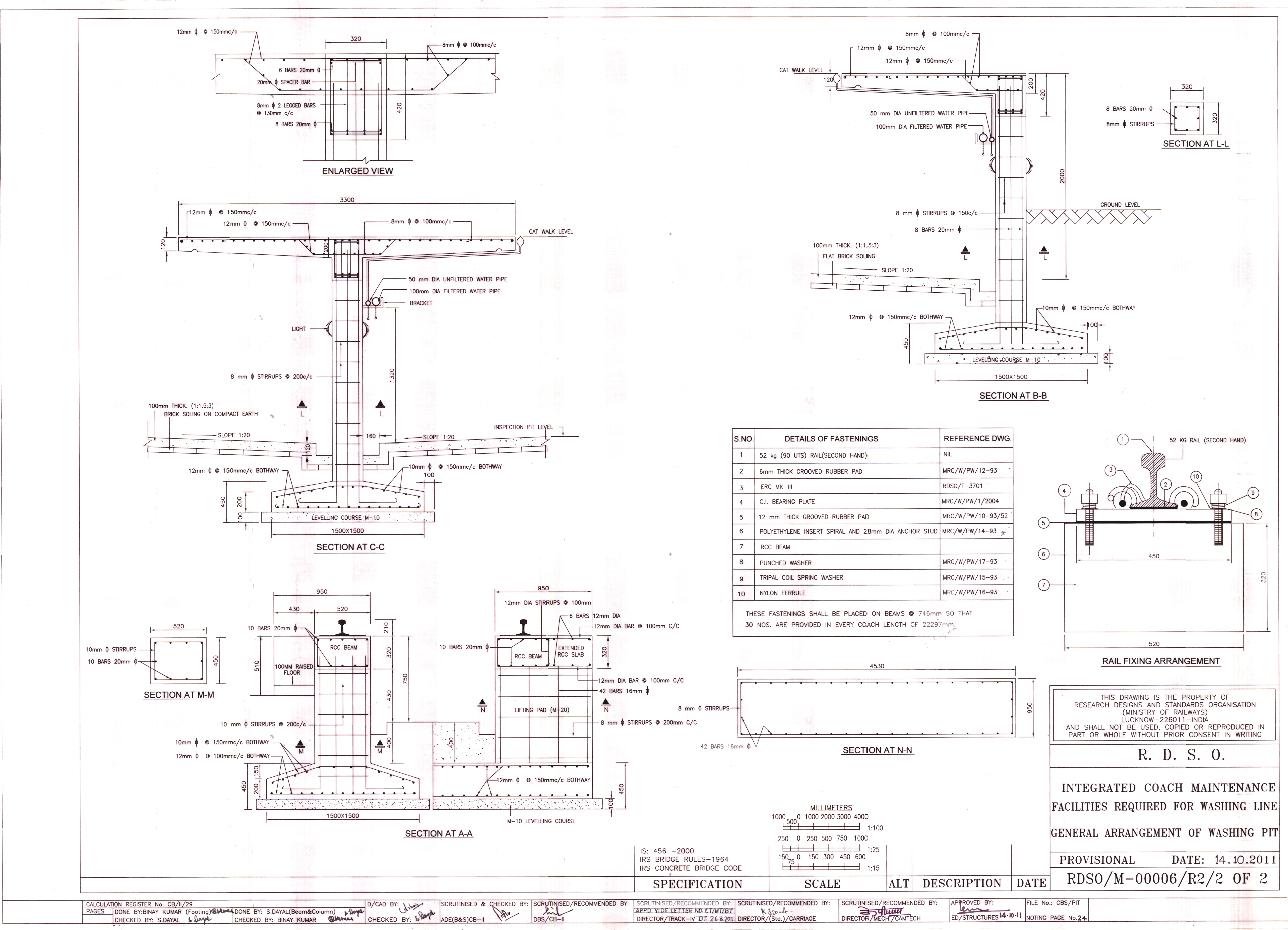
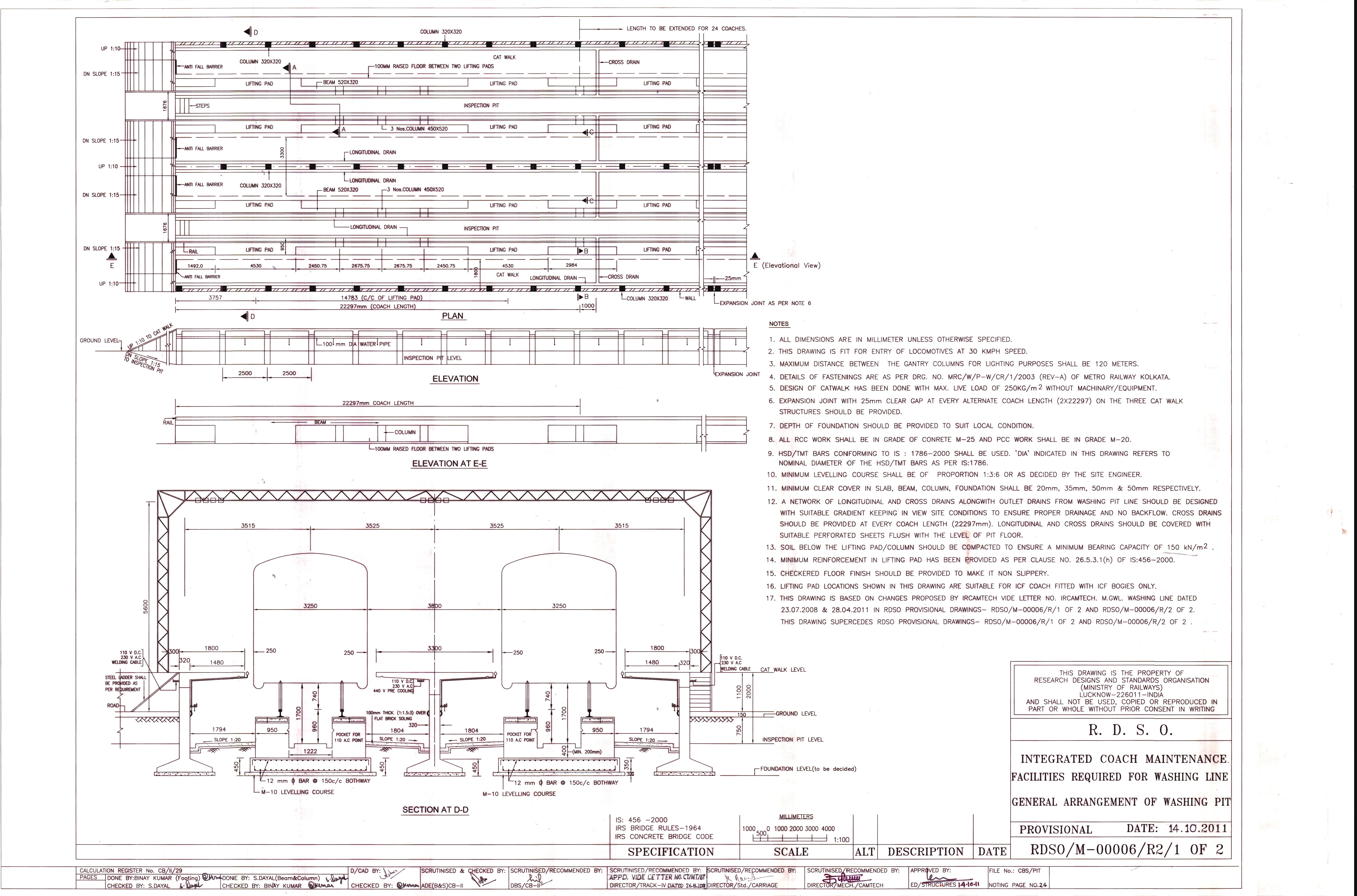
  • To start with the latest RDSO drawing is enclosed (it is however a provisional drawing)ImageImage

Next various Pitline designs exist..

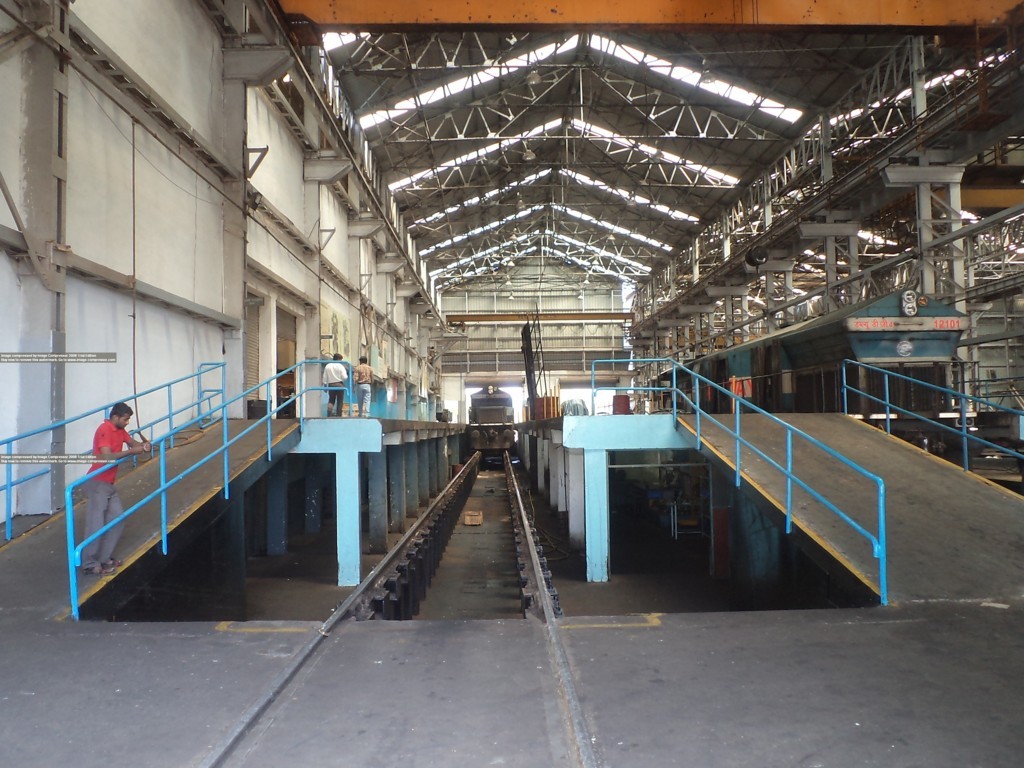
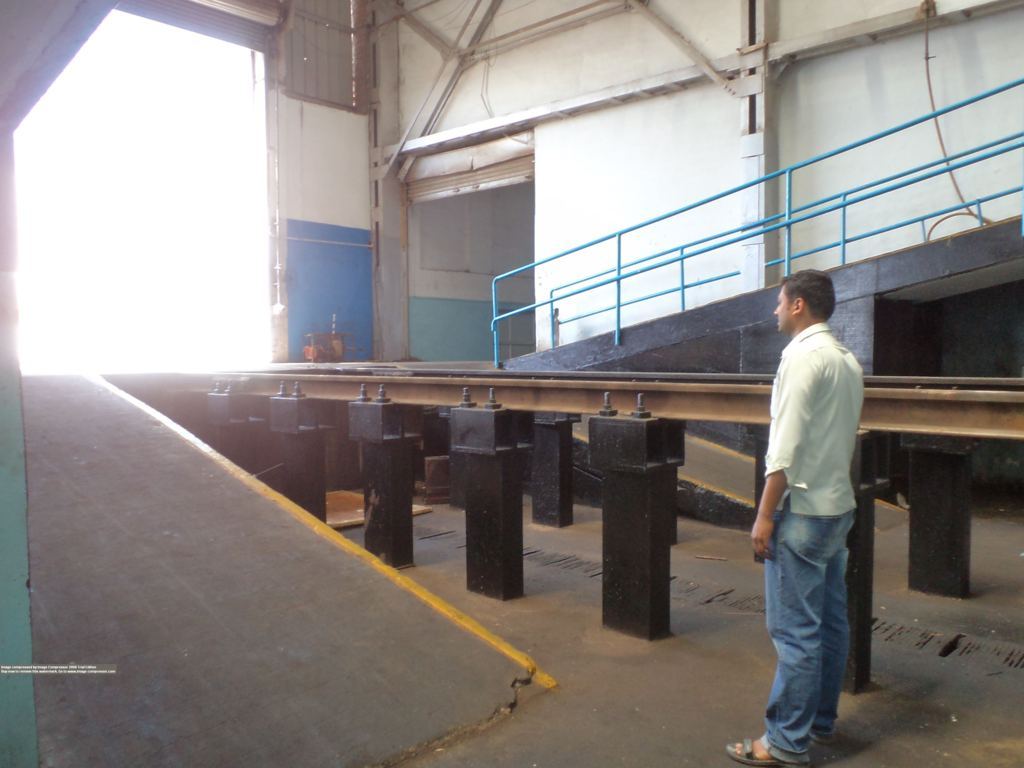
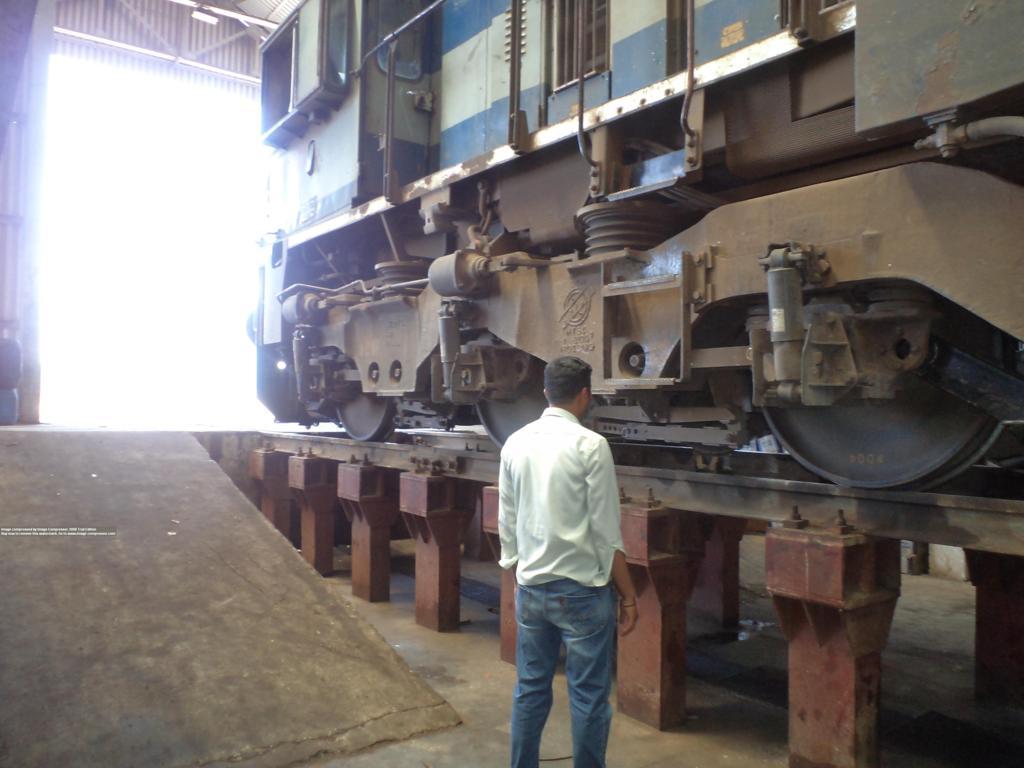
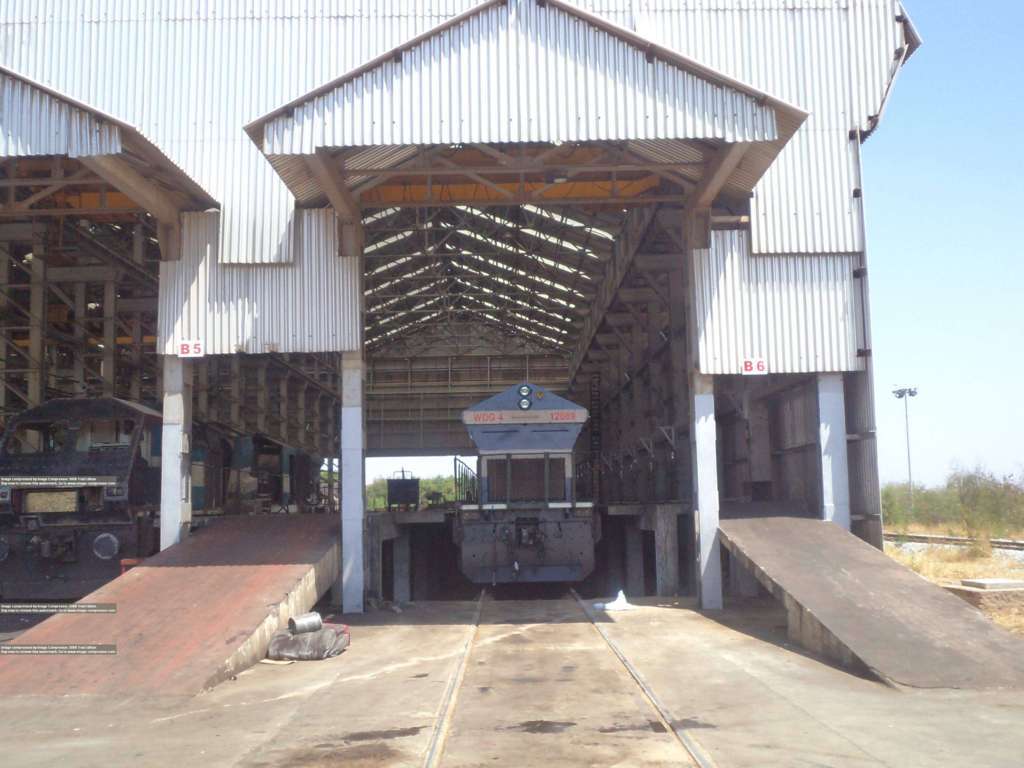
EMD Loco (1) EMD Loco (2) EMD Loco (5) EMD Loco (9) EMD Loco (11) EMD Loco (20)


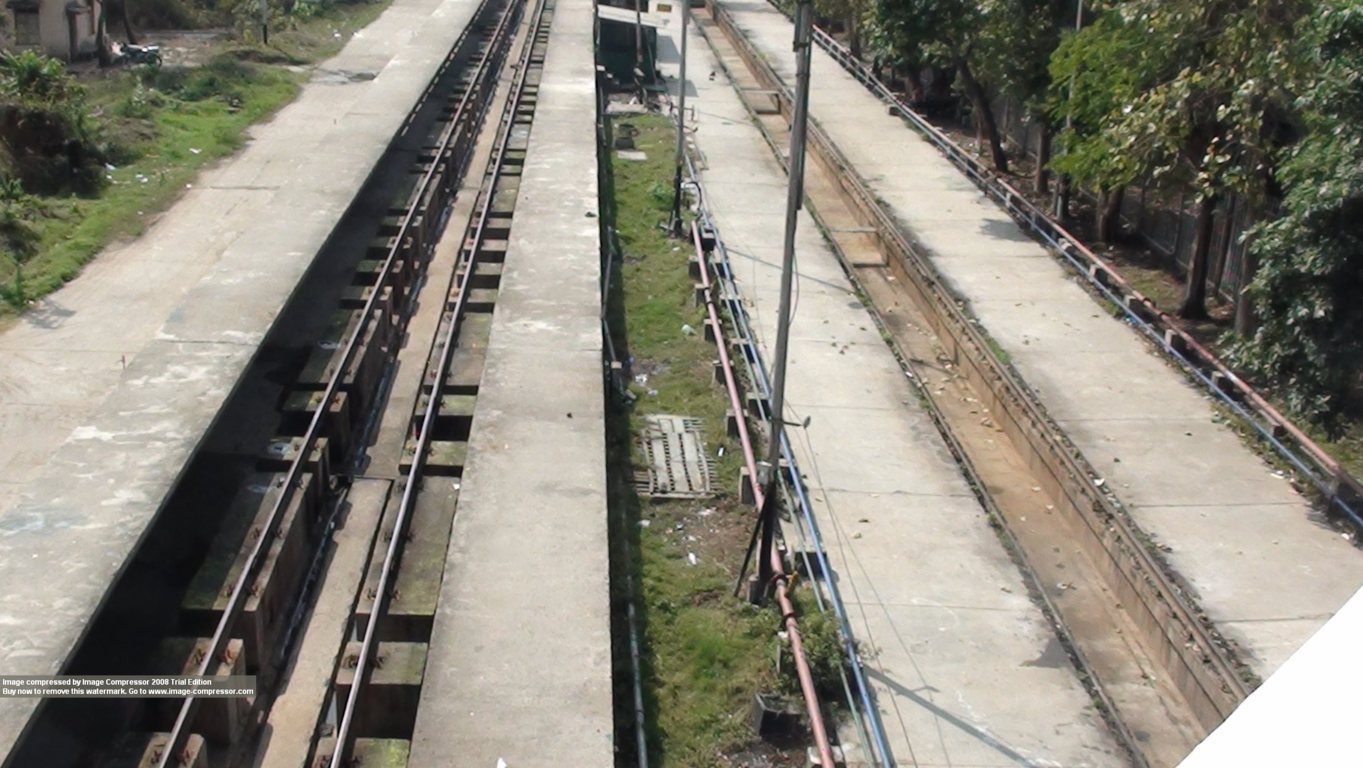
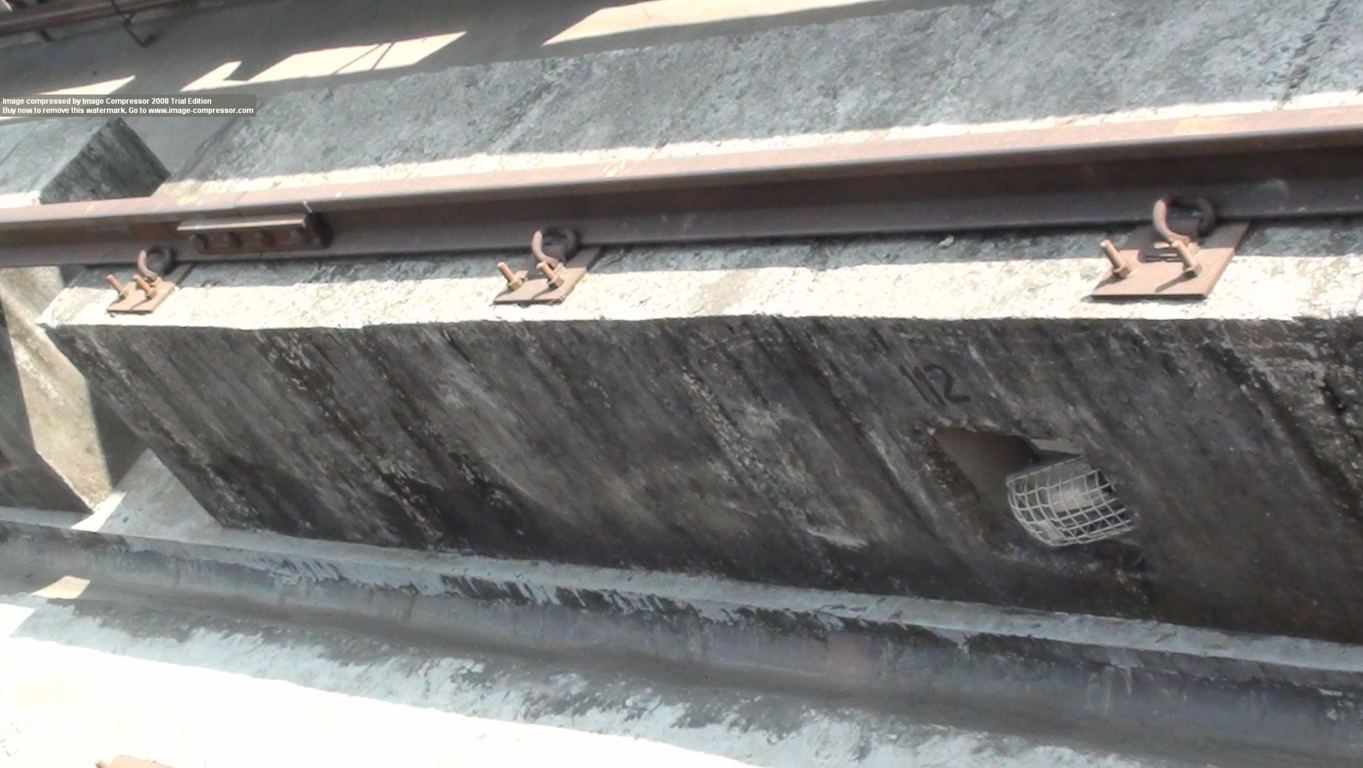
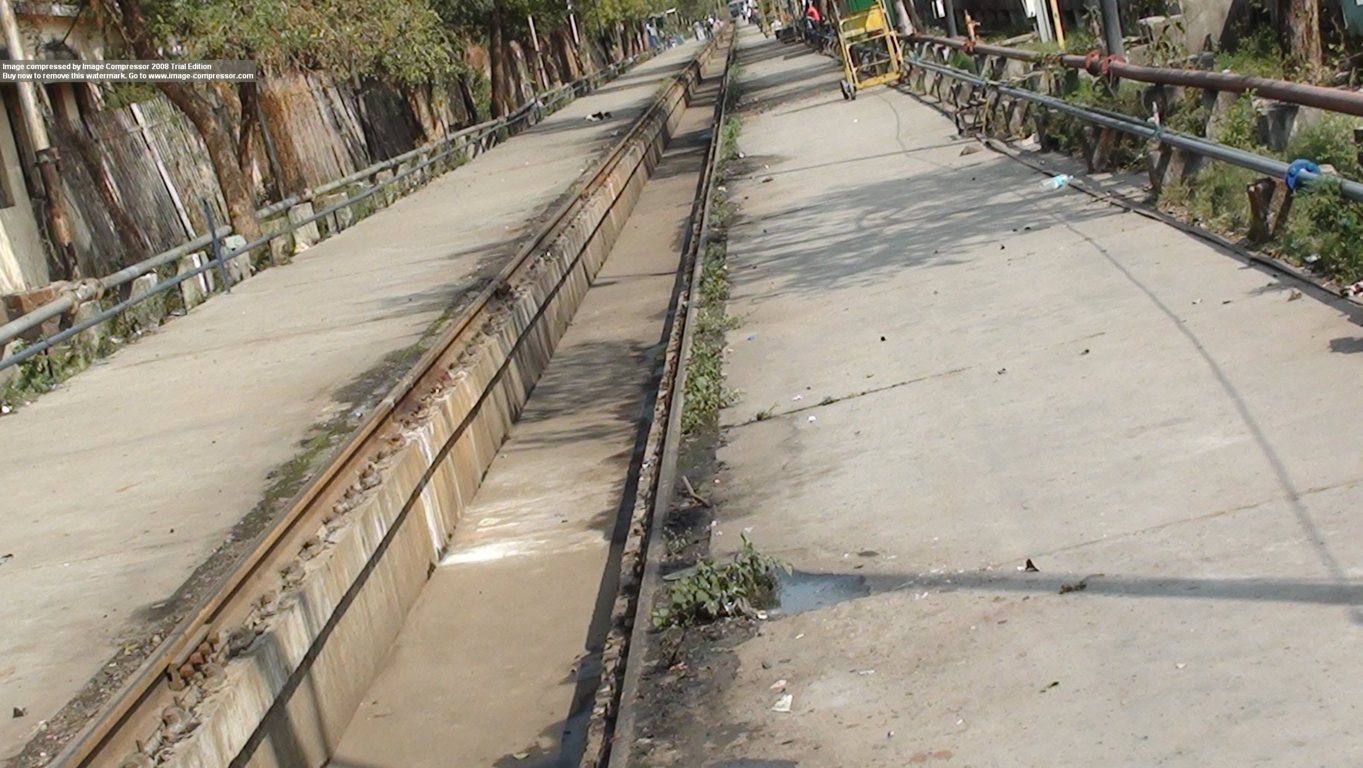
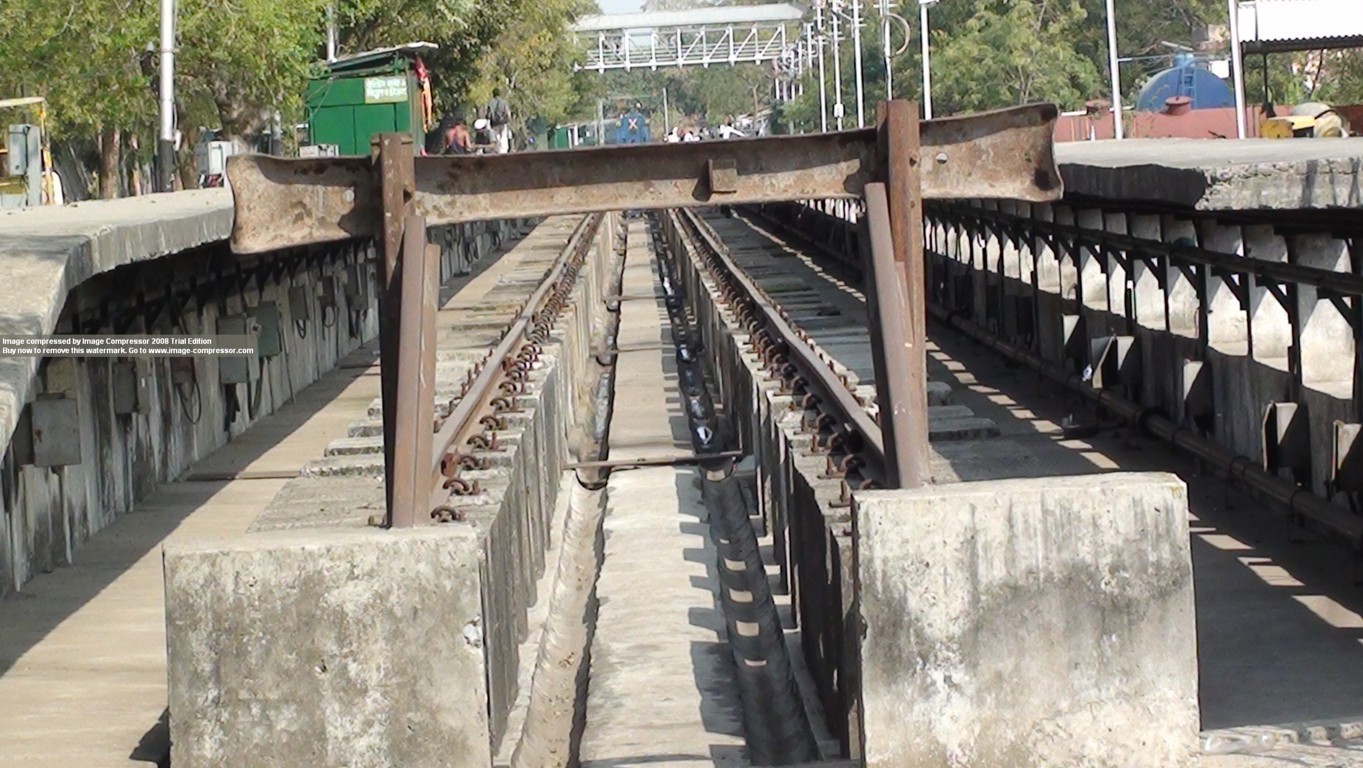
Bhopal Pitlines with no catwalks


BPL New Pitlines (1) BPL New Pitlines (3) BPL New Pitlines (7) BPL New Pitlines (8) BPL New Pitlines (10) BPL New Pitlines (11) BPL old pitlines (1) BPL old pitlines (5) BPL old pitlines (7) BPL old pitlines (11)


AN ALTERNATIVE

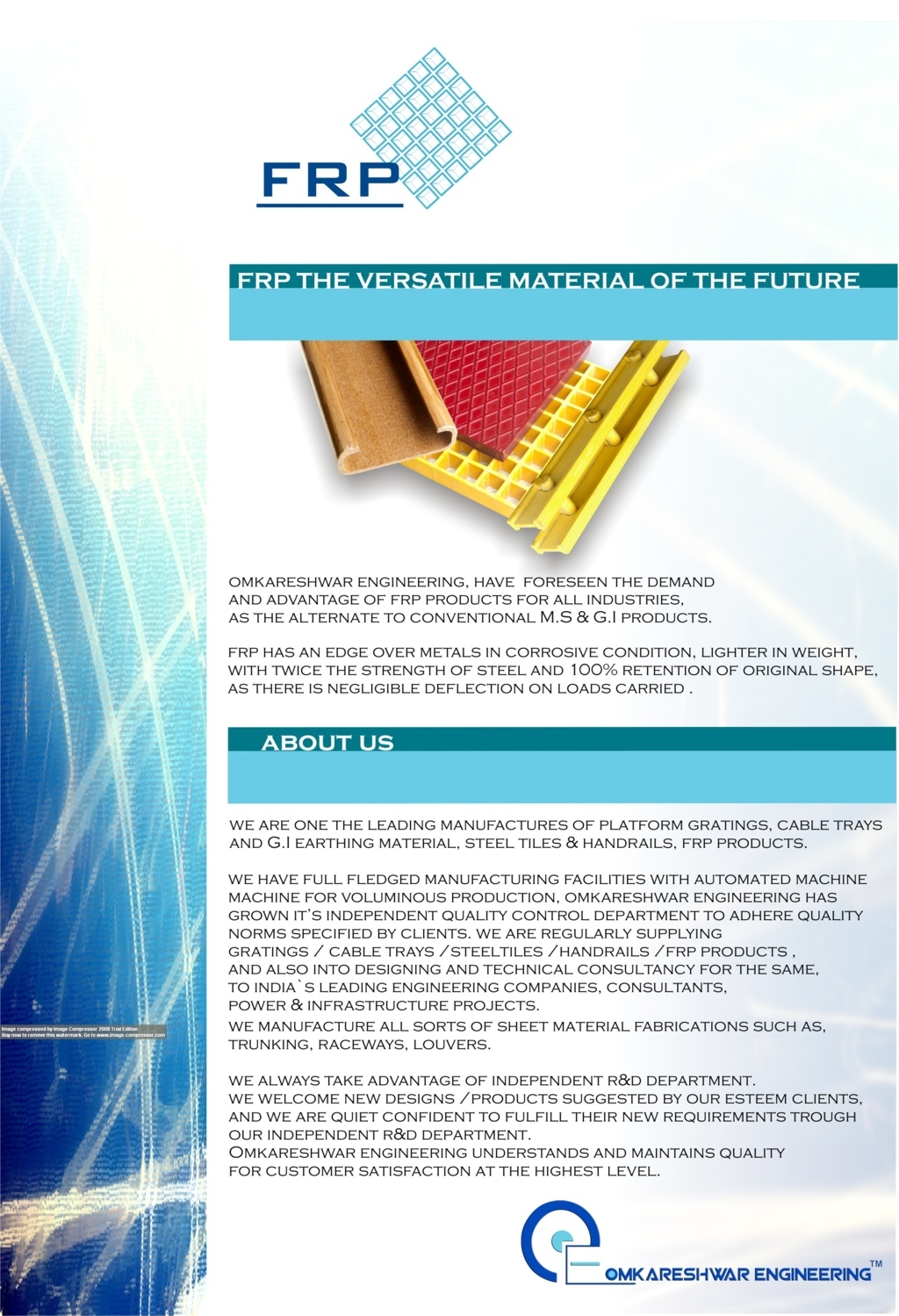
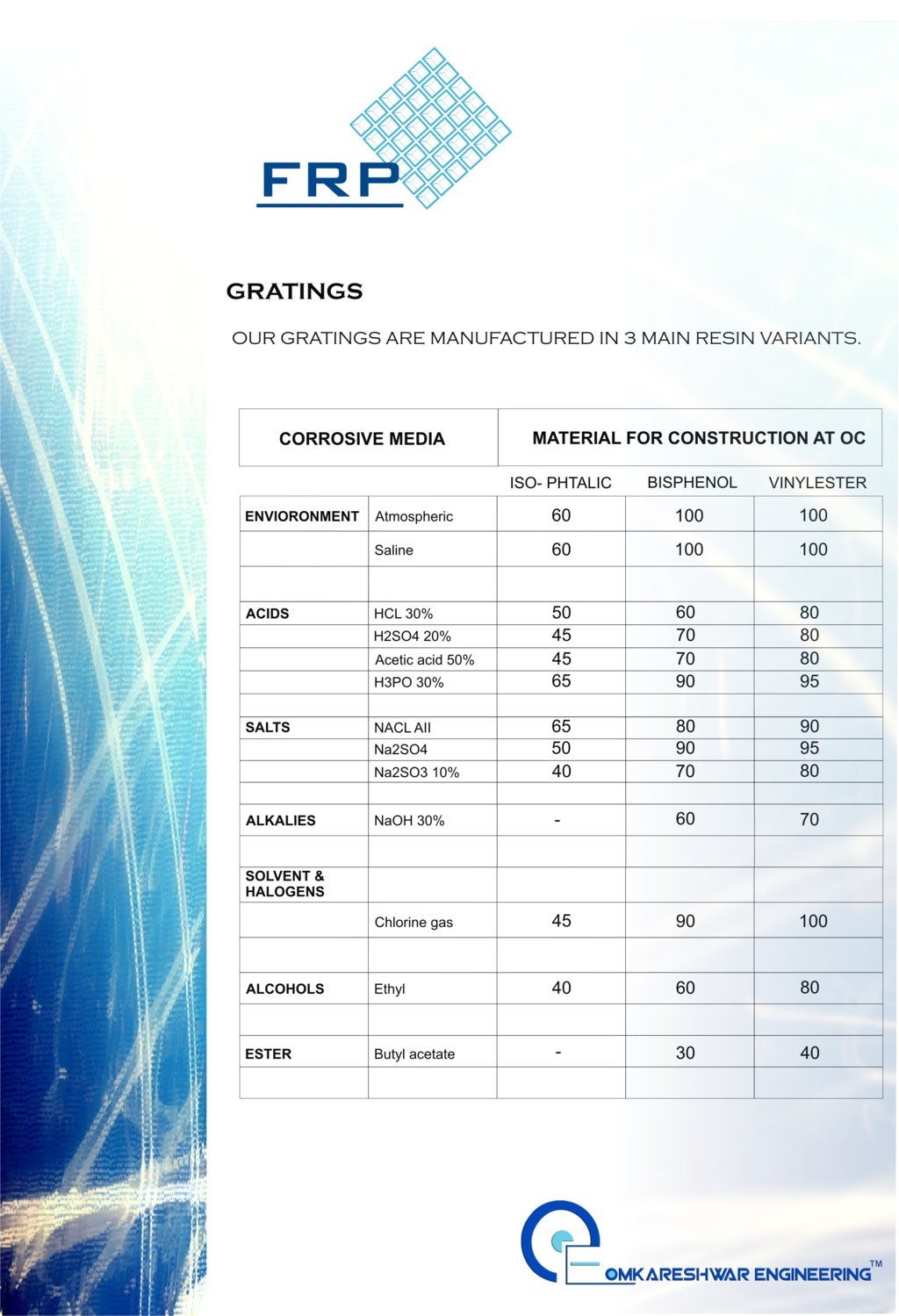
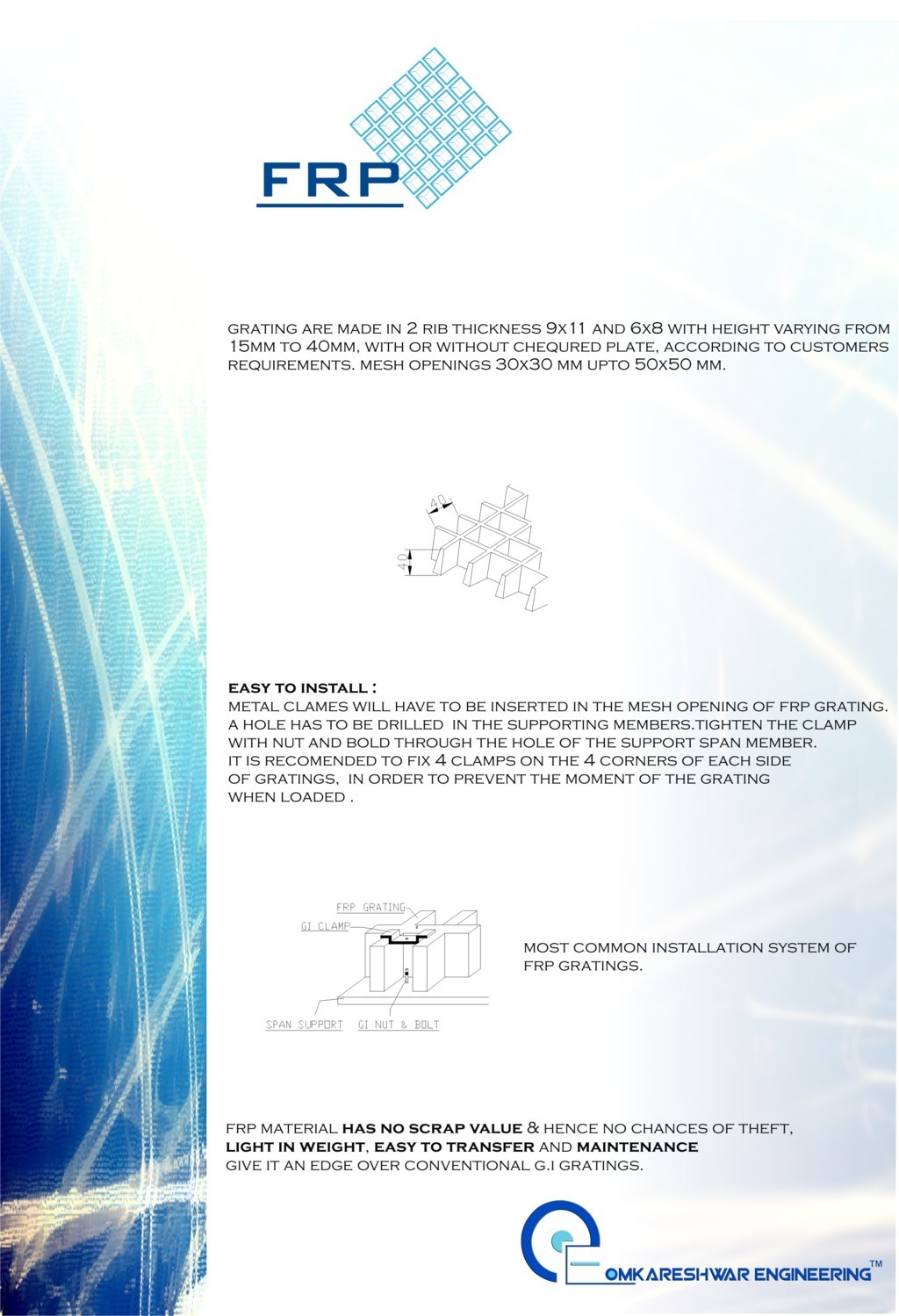
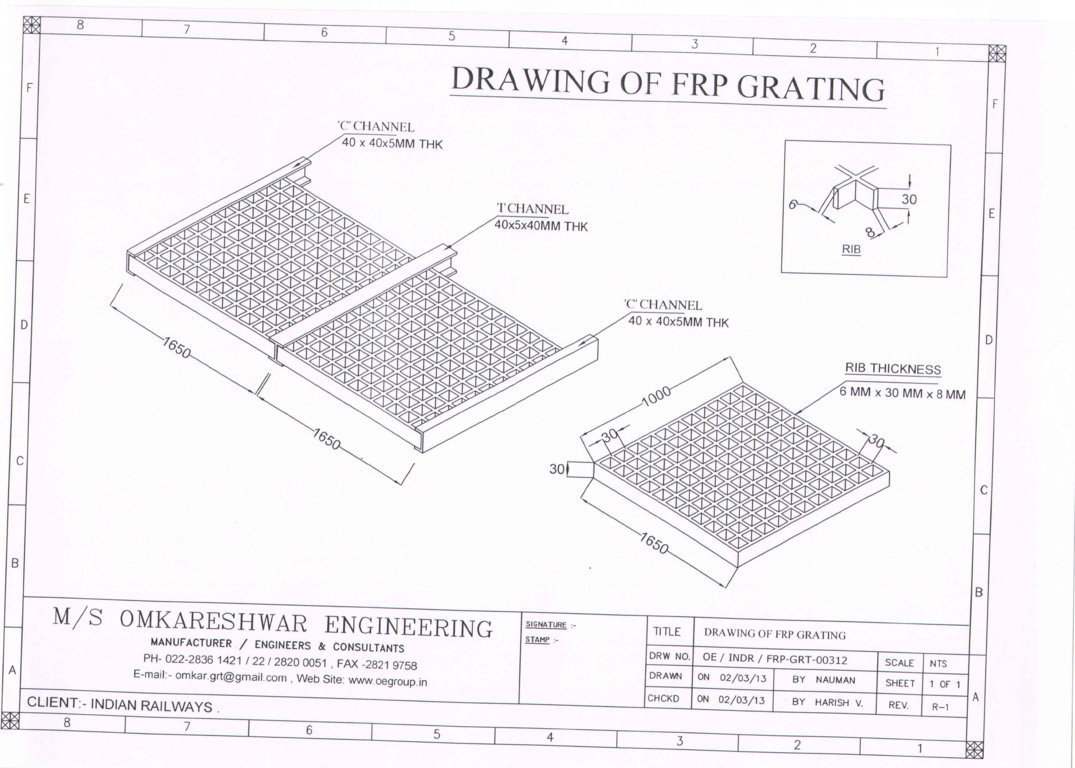
FRP NEW 2 (FILEminimizer) FRP NEW 3 (FILEminimizer) FRP NEW 4 (FILEminimizer) FRP NEW 5 (FILEminimizer) FRP NEW 6 (FILEminimizer) FRP NEW 7 (FILEminimizer) Indian Railways FRP GRT DRWG (1) (FILEminimizer)